
Small venue shows put you close to the performers in a room built for the music, not for a crowd.
This page belongs to the live music guide, an independent resource that is not affiliated with any band, label or venue. It explains what makes a small room different, how to find one and what to expect on the night.
What counts as a small venue
There is no official size limit, but the idea is familiar: a club, a cellar, a converted café or a small hall where the stage sits a few steps from the audience. Cultural centres often run several rooms of different sizes under one roof, which makes the contrast easy to see.
Brussels’ Botanique is a good example. Its French-language venue page describes the Witloof Bar as a vaulted cellar with a café-theatre look that suits the venue’s “découvertes”, meaning new discoveries, and it lists room for 200 people standing. The Rotonde, which the same page calls suited to more intimate projects, holds 300 standing or 125 seated.
Why the experience feels different
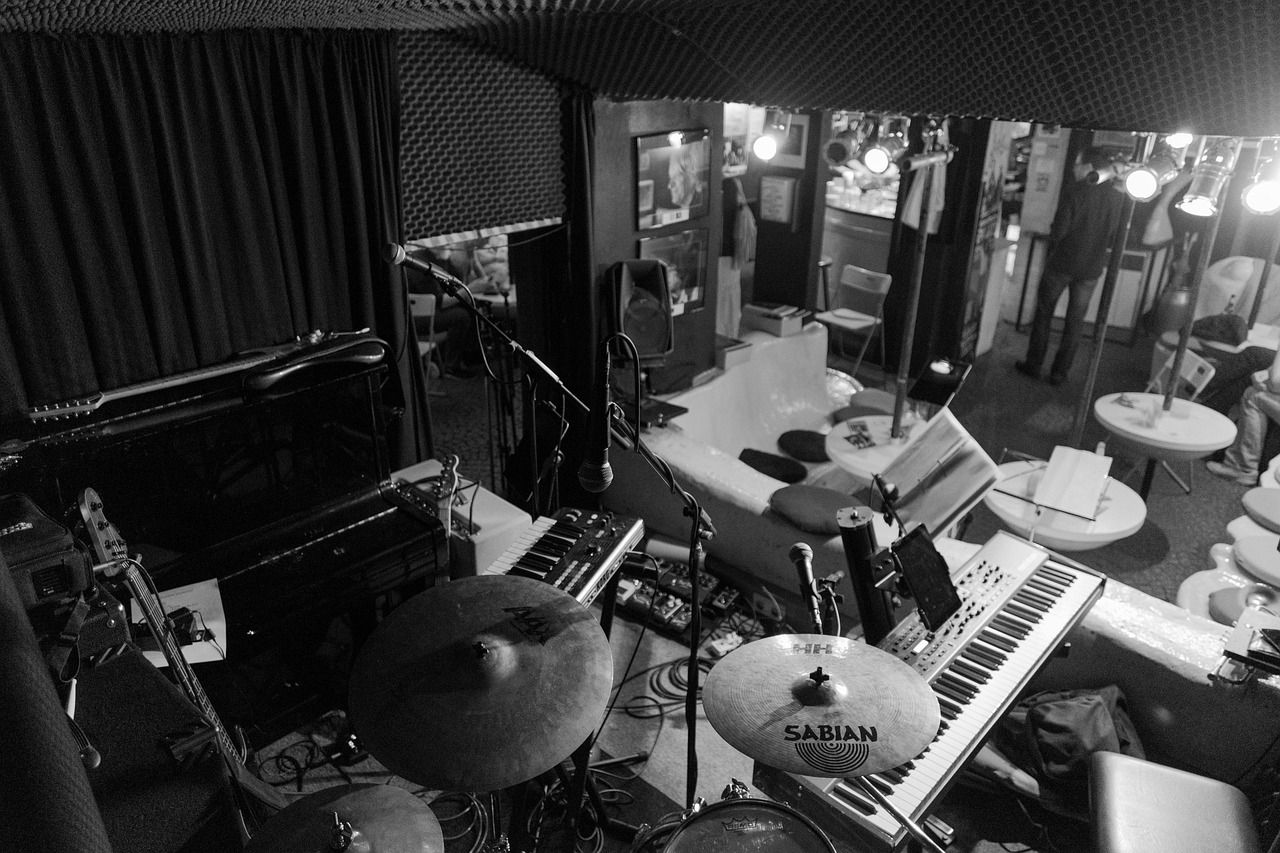
The main difference is proximity. In a small room you can watch a guitarist’s hands, hear the drums without a delay, and read the mood on stage. Sound is rarely a spectacle of screens and effects, so the performance itself carries the evening.
The atmosphere changes as well. A packed small room can feel shared in a way that a large hall rarely does, because the performers and the audience are close enough to react to each other. Between songs there is often conversation.
Tickets for small rooms also tend to be simpler to buy than those for large tours, although popular acts can still sell out quickly. The standing format common in clubs is covered in the guide to general admission vs seated tickets, which is worth reading before you book.
Where new artists get their start
Brussels’ Ancienne Belgique tells its own story on its website, saying that the venue, and more specifically its AB Club, is still a true breeding ground for young artists. The Club is a smaller room than the venue’s Main Hall, so it gives newer acts a place to play before they can fill a bigger stage.
Seeing an act early has its own appeal. You hear songs before they are widely known, you watch a band find its feet, and you can say you were there when the audience was still small. That is a matter of taste rather than a guarantee, because not every small-venue act goes on to larger stages.
Why these rooms need support
Small venues operate on thin margins. The UK charity Music Venue Trust, which represents grassroots music venues, reported in its latest annual report that the sector contributes over £500m annually to the UK economy, and that 30 GMVs, its abbreviation for grassroots music venues, permanently closed over the past year. The charity warns that the loss of touring access is starving emerging artists of essential development opportunities.
This is a British source, but the point travels: a ticket or a drink bought at a small venue helps keep the room open. If you enjoy these shows, buying directly from the venue’s own site and arriving early enough to catch the support act is a simple way to back them.
What to expect from the sound and the crowd
Sound in a small room is direct. There is less space for the music to travel, so volume can feel intense even when the band is not especially loud. Bands often play more compact sets, and the gaps between songs are shorter, which keeps the energy steady through the evening.
The crowd is usually a mix of regulars, friends of the performers and people who have simply followed the programme. Because the room is small, courtesy matters more than in a large venue. Keeping phone use modest, leaving space for people behind you and moving gently through the audience all make a difference to everyone’s night.
Access varies from one venue to the next. Cellars and older buildings can have steps and narrow doorways, so anyone with mobility needs should contact the venue’s team before buying a ticket. Most venues list contact details and access information on their own websites.
How to find and enjoy small shows
Start with the venues themselves. Most publish a programme on their own website, and cultural centres list every room in one calendar. Searching the programme of a nearby venue is usually quicker than scanning a national ticketing site, and local radio and music publications often point to acts passing through town.
A few habits make the evening smoother:
- Arrive for the support act. In a small room, the opener is often part of the reason to go.
- Check whether the show is standing. Botanique, for example, states that its concerts are standing unless stated otherwise, so comfortable shoes are a sensible choice.
- Bring ear protection. Small rooms can be very loud, and earplugs are inexpensive.
- Be quiet during quiet moments. Close quarters mean conversation carries to the stage.
If you are in Belgium, the guide to the Belgian rock tour circuit shows where touring rock acts play, and the small rooms are often the best place to start.
Planning your own small-venue night
A small show needs less planning than a festival or an arena trip, but a little preparation helps. Check the doors time and the start time, since small venues often start the first act soon after opening. Look up the way home in advance, because late finishes and limited transport can make the end of the night harder than the beginning.
Think about what you want from the evening. If you prefer to see the performers up close, arrive early and take a place near the front. If you would like space and a clear view of the whole stage, a spot further back or on a side balcony is a good option where the room has one. Neither choice is wrong, and both are easier in a room where nothing is far away.
Finally, keep an eye on the support acts listed on the programme. Small-venue bills are often built from acts at a similar stage of their careers, and an unfamiliar name on the poster is frequently the start of a new favourite. That chance of discovery is a large part of why people keep returning to these rooms.
Frequently asked questions
Are small venue shows cheaper than arena shows?
Show answer
Often, but not always. Prices depend on the act, the city and the venue, so compare the total at checkout before you decide.
Do small venues have seats?
Show answer
Some do and many do not. Botanique’s Rotonde offers both standing and seated places, while the Witloof Bar lists standing room, so check the event page.
Is it easier to see a band up close in a small room?
Show answer
Yes, because the stage is a short distance from the audience. Arriving early still helps if you want a spot near the front.
How can I support small venues?
Show answer
Buy tickets directly from the venue, attend regularly, and spend at the bar, since venues depend on that income to stay open.