
This rock music guide explains what rock is, where it came from, how its main subgenres differ and which records and artists make sensible starting points for a new listener.
It works as a map of the topic: each section below covers one stretch of the story and points to a deeper article for readers who want more detail.
What rock music is
Rock is a broad family of popular music built around the electric guitar, bass, drums and a vocal line, usually driven by a strong backbeat. It grew out of older American styles, spread through records and radio, and kept splitting into new branches as each generation of players changed the rules. Because the label covers so much ground, a useful way to understand it is to follow its lines of descent rather than hunt for a single definition.
Three ideas recur across almost every branch. The first is the riff, a short repeated guitar figure that gives a song its identity. The second is volume and energy: rock tends to be played loud, and recordings try to capture the feel of a room. The third is attitude. Whether the mood is rebellious, romantic, angry or playful, rock puts personality in front of polish, which is why a raw recording can matter as much as a technically perfect one.
How a rock song is built
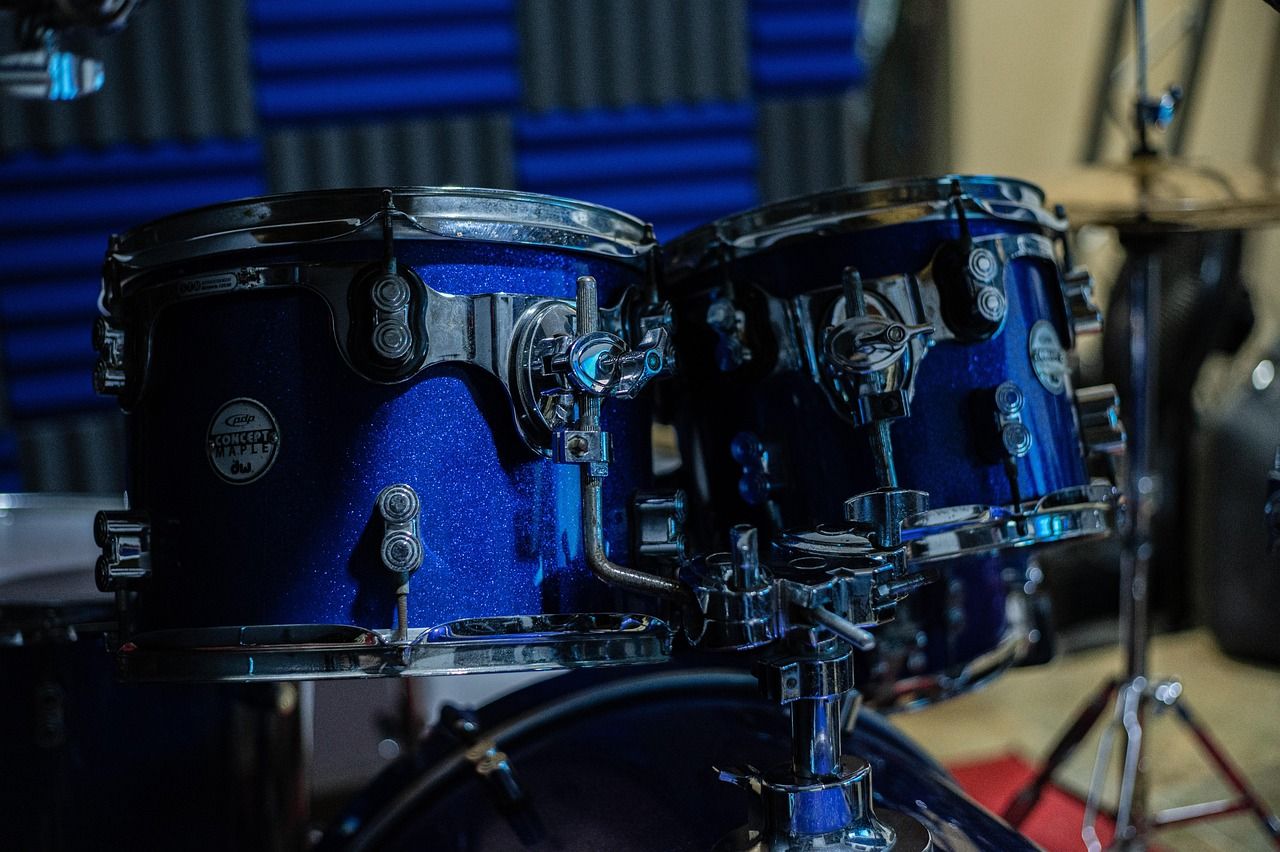
Most rock songs are assembled from a small number of parts, and learning to hear them makes unfamiliar music far easier to follow. The rhythm section of bass and drums sets the pulse. The drummer usually marks the beat with the snare and kick while the bass player links the rhythm to the harmony, so that listeners feel the groove before they consciously notice the chords. Over that foundation, one or more guitars supply either chords, which fill out the harmony, or lead lines, which carry the melody or answer the singer.
The voice sits on top. Rock singers range from smooth to shouted, and the choice says a lot about a band’s character.
Structurally, the typical pattern alternates verses with a chorus, often adding a bridge or a guitar solo before the final return of the chorus. That plan is flexible. Progressive and psychedelic bands stretch it out into long suites, while punk bands compress it into something short and direct. Hearing how a band bends the pattern is often the quickest way to understand what it is trying to do.
Why the studio matters
A rock record is not simply a document of a live performance. This is why two bands playing nearly identical material can leave very different impressions, and why listeners often find a record transformed by remastering or a new mix.
Rock also has an unusually strong live tradition. Much of what listeners love about the genre was shaped on stages in small clubs, theatres and festival fields, and the live music guide on this site covers the practical side of seeing it in person, from planning a night out to getting the most from a show.
The roots: blues, country and gospel
Rock did not appear from nowhere. Its ingredients were already circulating in American music in the years before it had a name, and the Rock & Roll Hall of Fame describes the key figures as people who blended those sources. The Hall says Chuck Berry’s fusion of blues, R&B, and country created an enduring template for rock & roll instrumentation, and it describes his song built from the country standard “Ida Red” as a 1955 tune he first treated as a novelty.
The electric blues of postwar Chicago matters just as much. The Hall’s entry says Muddy Waters electrified the blues—literally and figuratively, and its essay on him notes that while playing the blues bars of Chicago’s South Side in the Forties he began to assemble what appears, in retrospect, to be the prototypical rock band. That lineup of amplified guitars, bass, drums and a commanding vocal is still the template for countless groups today.
Gospel guitar played its part too. The Hall calls Sister Rosetta Tharpe the first guitar heroine of rock & roll, a reminder that church music and the electric guitar met long before the first rock hits reached the charts.
Even within the roots, the picture is a web rather than a straight line. Blues players, country performers, gospel singers and rhythm and blues bands were all listening to one another, and the records they made fed a shared pool of ideas.

Rock and roll goes mainstream
This blend reached a mass audience quickly once it was on record. According to the Hall, in 1954 Elvis Presley ignited a musical and cultural revolution with his take on blues, country, R&B, pop, bluegrass and gospel. Behind the scenes, the Hall credits producer Sam Phillips with discovering Elvis Presley, pioneering rockabilly and founding Sun Records, the small label where that sound was captured on tape.
Chuck Berry supplied much of the vocabulary for what followed. He was a member of the Rock Hall’s inaugural class of inductees, and the Hall describes him as synonymous with the electric guitar.
Once the format took hold, the music split quickly. Young bands with little money and cheap instruments played fast, loose songs in garages and basements, a scene covered in the article on garage rock. Others leaned into the blues itself and turned the volume up, which is the story behind blues rock.
The 1960s: British Invasion, psychedelia and heavier sounds
Rock grew more ambitious as it became an international phenomenon. The Hall says the Beatles kickstarted the seismic British Invasion that swept the U.S. in the ‘60s, and groups from Britain went on to send American blues and rock and roll back across the Atlantic in new clothes.
As studios became more flexible, bands began to treat the recording process itself as an instrument. Echo, feedback, tape tricks and long, exploratory songs gave rise to psychedelic rock, where the sound of the record mattered as much as the tune.
Heavier music was taking shape at the same time. The Hall says Led Zeppelin’s blend of blues, folk, soul and modal riffs was paving the way for heavy metal, prog, and concerts as theatrical stadium events. Black Sabbath belongs in the same conversation, and when Metallica’s Lars Ulrich wrote about them for the Hall he called their sound utterly groundbreaking, with their huge hymns of doom. Where hard rock ends and metal begins is a long-running debate, and the article on hard rock vs heavy metal sets out the main arguments.
Supergroups appeared too. The Hall’s entry on Cream calls the band a supergroup and lists 15 million records sold among its achievements, which shows how large an audience a heavy, improvisation-minded band could reach.
It is worth remembering that the genre has never belonged to one country. Today a listener can follow it from large international festival stages down to rehearsal rooms in small towns, which is part of what keeps the music fresh.

Punk, alternative and indie
Punk stripped songs back to a few chords, a fast tempo and a do-it-yourself approach. The Hall says the Ramones took punk rock on its maiden voyage, and the full story, including its ideas and lasting influence, is told in the article on punk rock origins.
Punk’s message that anyone could start a band travelled far. In its entry on the Velvet Underground, the Hall quotes the line that not everyone bought their album, but everyone who did started a band, a neat summary of how small, cult acts can shape a whole scene. That spirit fed the networks of independent labels, college radio and fanzines that later gave rise to indie rock.
Those underground scenes eventually reached a wide audience. The Hall writes that Nirvana accidentally kicked off a cultural revolution bred in the Pacific Northwest with 1991’s Nevermind. To follow the route from small scenes to the charts, read the alternative rock history.
What these movements share is a belief that rock works best when it stays close to the people who play it. Each time the genre has drifted toward excess or formula, a new wave of bands has arrived to strip it back, sharpen it or take it somewhere unexpected. That cycle of growth, excess and renewal explains why rock has stayed relevant for so long and why its history reads as a series of arguments between generations.
Rock subgenres at a glance
The list below is a quick reference, not a rulebook. Real bands cross these lines constantly, and the labels exist mainly to help listeners find music they might enjoy.
- Rock and roll: the early blend of blues, country and rhythm and blues, built on guitar riffs and a danceable beat.
- Blues rock: blues structures played with amplified guitars and a harder attack.
- Garage rock: simple, urgent songs played with limited gear and plenty of energy.
- Psychedelic rock: long forms, studio effects and a taste for the unusual.
- Hard rock and heavy metal: big riffs, heavy rhythm sections and dramatic vocals.
- Punk rock: fast, short, direct and proudly rough around the edges.
- Alternative and indie rock: umbrella terms for music that grew up outside the mainstream, often on small labels.
Instrumentation is another way to sort the genre. The article on rock duos looks at how two musicians fill the space of a full band, using heavy guitar tones and busy drumming.
The instrument that defines the sound deserves its own explanation. Pickups, amplifiers and effects pedals shape the tone long before a note reaches the audience, and the piece on how electric guitars work breaks down the parts in plain language.
Where to start listening
There is no single correct entry point, but a sensible approach is to begin at one of the roots and work forward. Listening to the Chuck Berry and Muddy Waters records the Hall singles out gives context for nearly everything that followed. From there, pick the era that attracts you most and follow the connections: a favourite guitarist usually leads to the players who influenced them, and liner notes and interviews often name those links directly.
A few habits help a new listener make progress:
- Listen to whole albums where possible, since many rock records were designed as a complete listening experience.
- Try a genre for a few records before judging it, because the best-known songs are not always the best introduction.
- Seek out live recordings, which often show a different side of the same material.
- Follow recommendations from people with similar taste, but keep room for surprises.
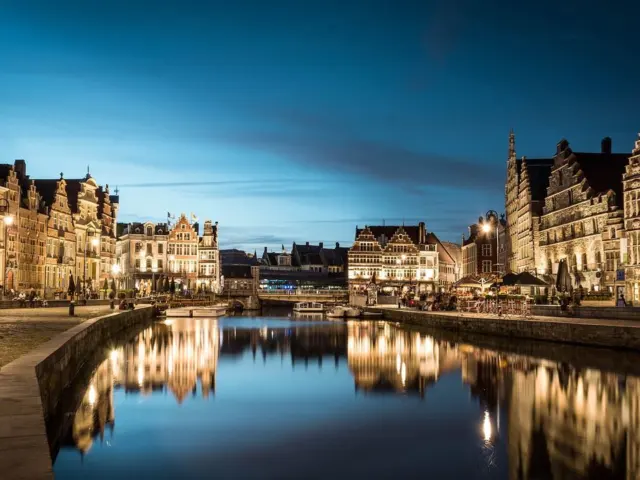
Local scenes are an excellent way to keep exploring, because small venues give new bands a place to learn their craft in front of real audiences. Rock culture is strong in many countries, and the Belgian rock scene is one example, with its own bands, venues and festivals. For one close look at a single Belgian rock track, see the notes on tattooed smiles.
When you find a band you like, treat it as a doorway. Look at who they cite as influences, who produced the record, and which other bands played on the same bills. This sort of detective work turns a casual interest into a real understanding of the genre, and it is how most devoted fans built their record collections.
It also helps to match the music to the moment. Fast, loud records suit a workout or a drive, while slower, atmospheric albums reward headphones and a quiet evening. Rock is wide enough to cover both moods, and part of the pleasure is discovering which parts of the genre fit your life. When you are ready to hear it in person, the practical advice on planning, tickets and what to expect is a good place to begin, and small clubs are often the best place to see how a song works when there is nowhere to hide.
This site is an independent music publication. It is not affiliated with, endorsed by or representing any band, label, venue or festival it mentions, and it does not sell tickets or merchandise.
Finally, be patient with music that does not click straight away. Keep a short list of albums you plan to revisit, and return to them after a few weeks of listening to something else.
Frequently asked questions
What is the difference between rock and rock and roll?
Show answer
Rock and roll usually refers to the early style, built on blues, country and rhythm and blues.
Which instruments are essential to rock music?
Show answer
The classic lineup is electric guitar, bass guitar, drums and a lead vocal. Keyboards, extra guitars and other instruments are common additions, but the core four have defined the sound for decades.
Where should a complete beginner start?
Show answer
Begin with the roots, such as Chuck Berry and Muddy Waters, then move to the Beatles and Led Zeppelin, and branch out into punk, alternative or indie depending on what appeals.
Is heavy metal a type of rock music?
Show answer
Yes. Heavy metal grew out of heavier blues-based rock, and the Rock Hall credits Led Zeppelin with helping to pave the way for it, though fans and critics still disagree about exactly where hard rock stops and metal starts.
Do I need to play an instrument to enjoy rock?
Show answer
No.