A good live music guide starts with three decisions: which show, how to get in, and how to look after yourself on the night. Get those right and the rest of a concert or festival is mostly enjoyment.
This page is the hub for the Live Music and Concerts section: it sets out the whole journey from choosing a show to getting home, and points to a deeper article for each step. Blackbox Revelation is an independent music publication and is not affiliated with any band, label, promoter or ticket seller mentioned here.
Start with the show, not the ticket
Most overspending and most disappointment at live events trace back to the same habit: buying quickly, then working out what was bought. A slower order of operations helps. First decide what kind of night you want, then check how the venue is laid out, then look at dates and prices, and only then open a ticket page.
The kind of night matters because venues sell very different experiences. A standing floor puts you close to the stage and in the crowd, while a seated hall gives you a fixed place and a clear view. The article on general admission vs seated tickets walks through what each format means for comfort, sightlines and arrival time, so you can match the ticket to your own preferences instead of to whatever sells out first.
It also helps to know how the date on the poster came to be. Shows are not scattered at random: promoters, agents and venues fit them around travel routes, festival slots and recording schedules. Readers curious about that process can read about how concert tours are planned, which explains why a band skips one city and plays another, and why a second night is sometimes added after the first goes on sale.
Think about who you are going with, too. A gig that suits a devoted fan may not suit a friend who knows two songs, and a show that runs late is harder for anyone who has to be up early. Being honest about this at the planning stage prevents the sort of compromise that leaves everyone mildly unhappy.
Finally, think about logistics before you commit. Where will you travel from, how will you get home after the last song, and does anyone you are going with have access needs? Venues publish this kind of practical detail on their own websites, and reading it before you buy avoids unpleasant surprises at the door.
Choosing a venue and a format
Big arenas and open-air festivals get the headlines, but a lot of the best live music happens in rooms with a modest capacity. In a small room the performers are close, the sound is often clearer than in a large hall, and tickets tend to cost less. The case for small venue shows is worth reading if you have only ever seen artists from the back of a huge crowd.
Rock is a good example of a genre that thrives in clubs and mid-sized halls. If you are new to the style and want some context on where its subgenres come from, the rock music guide on this site gives the background, from early roots to the sounds you will hear on stage today.
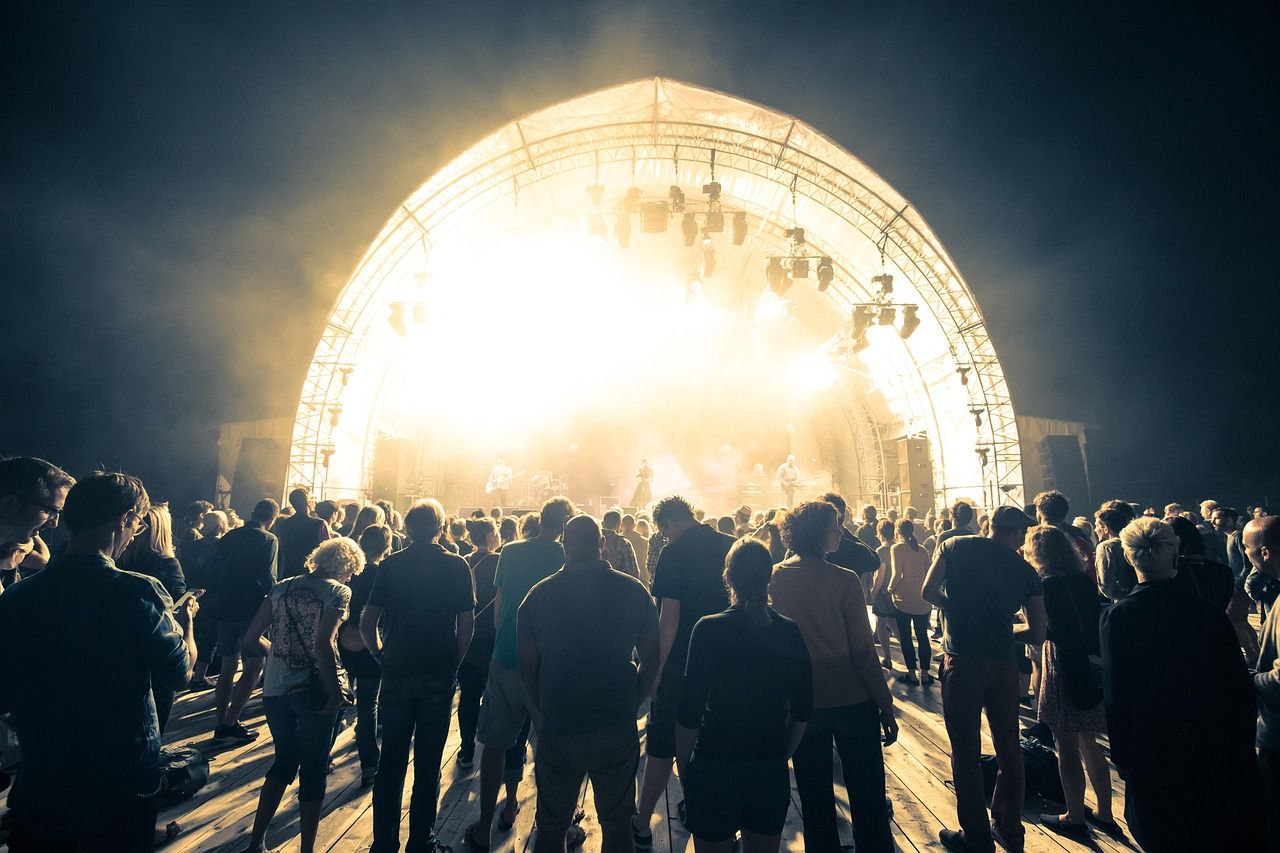
If your own map of live music centres on Belgium, local knowledge pays off. Our overview of the Belgian rock scene introduces the venues, festivals and bands behind it, and the practical write-up of a Belgian rock tour shows how a trip built around several shows can fit together.
Format is the other half of the choice. Neither is better, but they suit different moods. If you want to hear one band properly, pick a club or hall. If you want to discover things by chance, a festival day rewards curiosity, and you can build a loose schedule around a few must-see sets and leave gaps for surprises.
Whatever you choose, treat the venue’s own website as the starting point. It lists the event, the room, the doors time and the rules on bags, cloakrooms and re-entry, and it is the one place guaranteed to match what happens on the night. Third-party listing sites can lag behind changes or copy details wrongly.
- FTC rule requires mandatory fees in the total price: total price
- CMA secured Ticketmaster undertakings on tiered pricing notice: 24 hours: 24 hours
- AB has a TicketSwap agreement for safe resale: TicketSwap
- AB: double bills and festivals can run to a different timing: different schedule
- WHO lists safe listening strategies for recreational settings: safe listening
Tickets, prices and resale
Tickets are where money is lost, so this part of the process deserves care. The simplest rule is also the strongest: buy from the seller the venue or promoter names. Consumer group Which? states that the best way to avoid being scammed is to buy directly from the event’s official ticket partner. The full walkthrough lives in how to buy concert tickets, which covers presales, queues, fees and what to do when a show sells out.
Pricing has come under regulatory scrutiny on both sides of the Atlantic. In the United States, a Federal Trade Commission rule on live-event tickets requires that, in the words of a law-firm summary, all mandatory fees be included in the “total price” shown to consumers. In Britain, the Competition and Markets Authority secured commitments after the Oasis sale, including that Ticketmaster will tell fans 24 hours in advance if a tiered pricing system is being used. The lesson for buyers is practical: look at the total price before you pay and read how the seller describes each ticket category.
Resale needs particular caution. Which? notes that official resale partners only allow tickets to be resold at face value or below, which keeps prices fair and the ticket genuine. Some venues run their own arrangements: Ancienne Belgique in Brussels states on its questions and answers page that it has an agreement with TicketSwap and can guarantee a safe resale. Check what your venue offers before you look anywhere else.
The flip side of resale is fraud. Fake tickets, copied PDFs and imaginary sellers are common, and the warning signs are often visible if you know them. Our guide to concert ticket scams lists the red flags, safer payment methods and what to do if you have already paid.
Budget the whole outing, not just the ticket
The face value of a ticket is only part of what a night out costs. Travel, food, drinks, a locker or cloakroom, merchandise and sometimes a hotel can add up to more than the ticket itself. Writing down a rough total before you buy makes it easier to decide whether a show fits your budget, and easier to say no to an inflated resale price when you can see how it would squeeze everything else.
Booking fees deserve a line of their own in that budget. Because sellers present them in different ways, compare the final amount at checkout rather than the headline price on the listing. If two sellers offer the same ticket category for the same event, the cheaper checkout total is the better deal, and the venue’s own box office is sometimes the cheapest route of all because it may not add the same service charges.
Timing affects cost as well. Presales, general sales and last-minute releases each have their own rhythm, and demand for a well-known act can empty an allocation within minutes. Decide your maximum price beforehand and stick to it, because pressure to act quickly is exactly what unreliable sellers rely on. A countdown timer is a reason to slow down and check the details, not a reason to rush.
Group plans need a little extra structure. If one person buys for everyone, agree on how and when the others will pay them back, and keep the confirmation emails somewhere everyone can find them. It is simpler to sort this out in the week before than in the queue outside.
It is also worth checking what the ticket includes. Read the description line by line, because a cheaper ticket category with a restricted view or limited facilities can be a perfectly good choice for one person and a poor one for another. Matching the product to your own needs is how you avoid paying for things you will not use.
Finally, keep a small reserve for the things nobody plans. A lost phone charger, a taxi after the last train or a missed locker slot can cost real money on the night. Knowing what you can spend without stress means that you spend the evening listening to music, not recalculating your budget.
Getting ready for festivals and longer trips
A festival changes the planning. You are outdoors for hours, often for days, and the things that make a concert comfortable, such as a seat, a cloakroom and a roof, may not exist. Weather, water, charging, shade and footwear all become part of the plan, and a few minutes of preparation prevent the common mistakes.
The simplest tool is a list. Our festival packing list separates what is worth carrying from what only adds weight, and it explains why leaving a few things at home often makes the day easier. Rules on bag size, glass, drinks and professional cameras differ between events, so always read the entry conditions on the festival’s own site before packing.
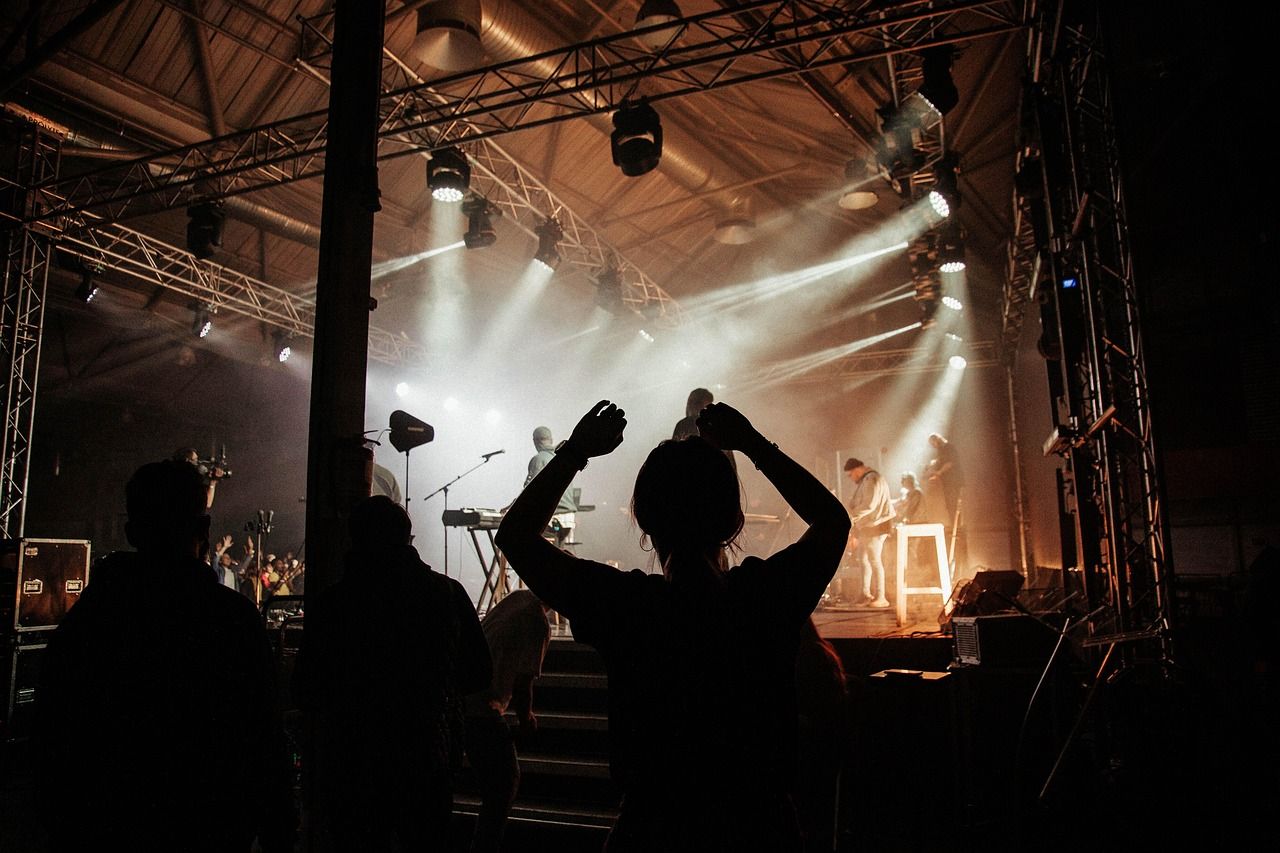
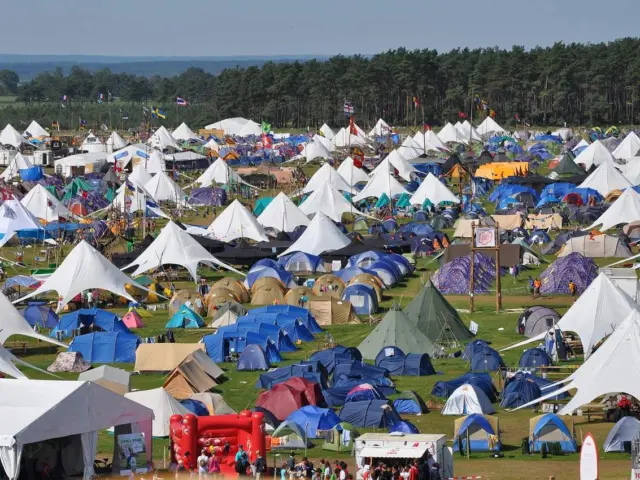
If the festival includes a camping area, the preparation grows. Pitching in the dark, sleeping near a stage and managing a phone battery over several days are skills that are easier to learn from a list than from experience. Our music festival camping tips cover tents, sleep, security and keeping the site tidy.
Think too about how you will move around. Festival sites can be large, paths get crowded between sets, and mobile networks are often overloaded. Agree a meeting point with your group in advance rather than relying on messages, and note where the first-aid tent and water points are when you arrive.
On the night: the crowd, the sound and the clock
Once you are inside, a few habits make the show better for you and for everyone around you. Arriving in good time, finding a spot that suits your needs and keeping phones to a minimum all help. The unwritten rules are collected in our article on concert etiquette, including how to move through a crowd and what to do if someone’s behaviour spoils the show.
Timing is another reason to read the venue’s page. Ancienne Belgique explains on its visitor questions and answers page that for normal concerts doors usually open at 7:00pm and the concert ends no later than 10:30pm, while double bills and festivals can run to a very different schedule. Times like these are specific to each venue, which is why checking the event page on the day matters.
Sound levels deserve attention too. Amplified music is loud enough to affect your ears over time, and the World Health Organization lists safe listening strategies for the reduction of exposure to loud sounds in recreational settings among the ways to reduce hearing loss. Some venues help directly: Ancienne Belgique says on its earplug information that reusable earplugs are available from vending machines for two AB tokens (€6). The article on hearing protection at concerts explains the options in plain terms, and it gives general guidance, not medical advice.
Think also about how you want to watch. Others prefer the edges or a raised area where it is easier to leave for water or a break. Neither is wrong, and a good spot is the one that lets you stay for the whole set comfortably. If you go with friends, agree a place to regroup in case you are separated, because phone signal inside a packed hall is often poor.
Bring only what you need. Large bags slow down security queues and may not be allowed at all, and a heavy jacket becomes a burden once the room warms up. Venues that offer lockers or a cloakroom make this easier, and Ancienne Belgique says on its locker information that small lockers cost €3 and large ones €8. Ask the venue’s staff if you are unsure what is allowed; they handle the question every night.
Pace yourself across a long show. Standing for hours in a warm room is tiring, and the last act is often the one people most want to see. Eat properly beforehand, wear comfortable shoes, and take short breaks away from the speakers if you can. Arriving rested and fed means you are still enjoying the encore, not counting the minutes to the exit.
Look after the people around you as well as yourself. Drink water, eat before you arrive, and pay attention if someone near you looks unwell. Stewards and first-aid staff are present for exactly that purpose, and calling on them early is the right move. Most venues also provide a quieter area where you can recover for a few minutes before going back in.
Finally, plan the exit before the encore. Know where the last train or bus leaves, decide in advance where your group will meet, and charge your phone before you set off. A calm exit is the last step in a good evening.
Frequently asked questions
Where should I buy concert tickets?
Show answer
Start with the seller named by the venue or promoter. Which? advises buying directly from the event’s official ticket partner, and the walkthrough on this site explains the steps in detail.
Is it safe to buy resale tickets?
Show answer
It can be, if the resale runs through a platform the venue or promoter endorses. Treat social media sellers, PDF tickets and requests for bank transfers as warning signs.
Do I need to know the doors time in advance?
Show answer
Yes. The venue publishes it on the event page, and it can change, so check again on the day. Doors and finish times vary between venues, and festivals follow their own programme.
Should I wear earplugs at a concert?
Show answer
The World Health Organization lists safe listening strategies for recreational settings as a way to reduce hearing loss.
Is Blackbox Revelation connected to any band or ticket seller?
Show answer
No. This is an independent music publication. It does not sell tickets or merchandise and is not affiliated with any band, label, management or booking agency.