
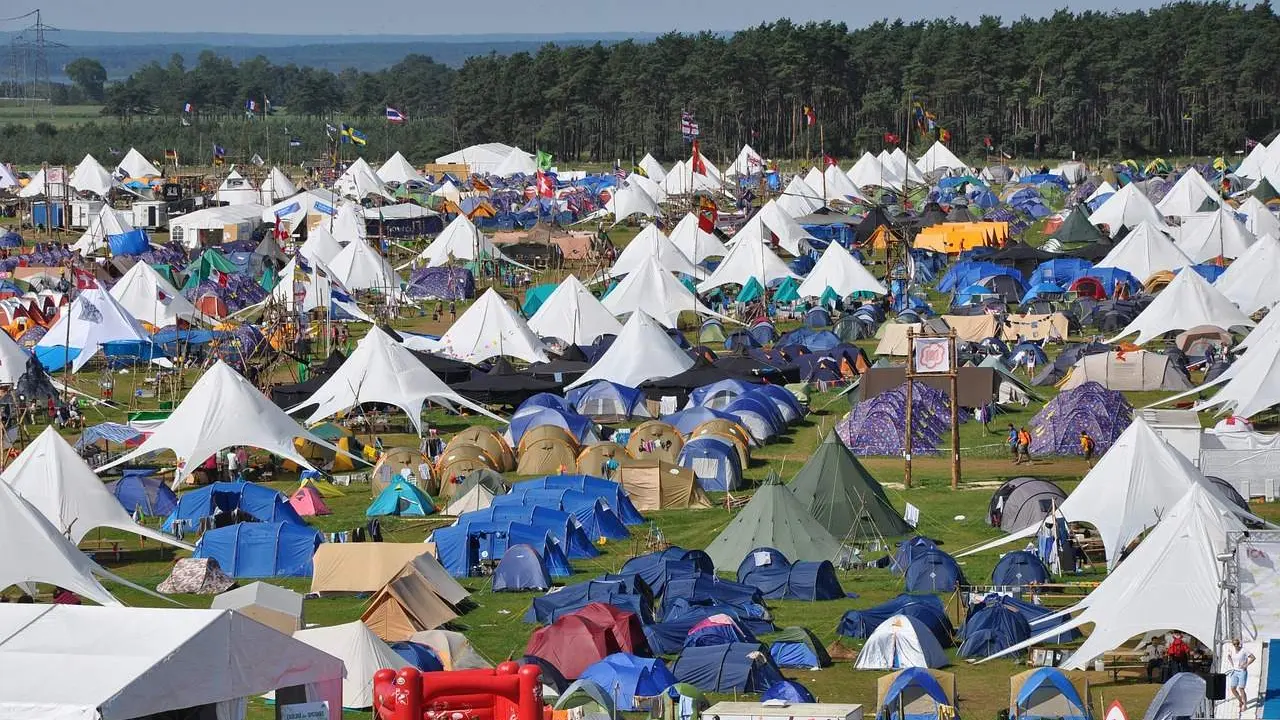
These music festival camping tips cover the basics: practise with your tent first, pitch away from noise and fire risks, keep valuables on you and leave nothing behind. A good campsite routine saves effort at every stage.
Campers who want the wider picture of planning, tickets and getting the most out of a show can start with the live music guide, then return here for the campsite details.
Before you leave home
Preparation matters more than expensive kit. The Camping and Caravanning Club passes on the advice of its magazine editor to practise putting up your tent in the garden and packing it away again. A rehearsal shows whether every pole, peg and guy rope is present, and it means pitching in a crowded field in poor light is not the first time you handle the tent.
The type of tent matters too. Creamfields suggests a double-layered tent and warns that single-skin tents may result in leakages and flooding. The same page asks campers not to bring an overly large tent if they do not need one, because space on a festival site is limited. A tent that fits the number of people sleeping in it is easier to carry, easier to pitch and easier to fit into a tight pitch plan.
Think about the walk in as well. The Club advises considering what you will be carrying on the way into the festival, and suggests a large backpack or a folding trolley with all-terrain wheels. Packing light enough to carry comfortably makes the first walk in far easier.
Rules differ from site to site. The Club’s technical manager advises checking the rules on gas bottles, glass and alcohol, which may be prohibited or have restrictions placed on them. Read the festival’s camping page before packing the car so nothing is confiscated at the gate. A full kit list is in the festival packing list, which covers clothing, power and food in more detail.
Choosing and pitching your tent
Where you pitch affects how well you sleep. The Club recommends avoiding pitching too close to main paths through the campsite, because they are noisy at all hours and people might stumble into your tent. A spot slightly off the busiest routes is usually calmer, though it should still be easy to reach.
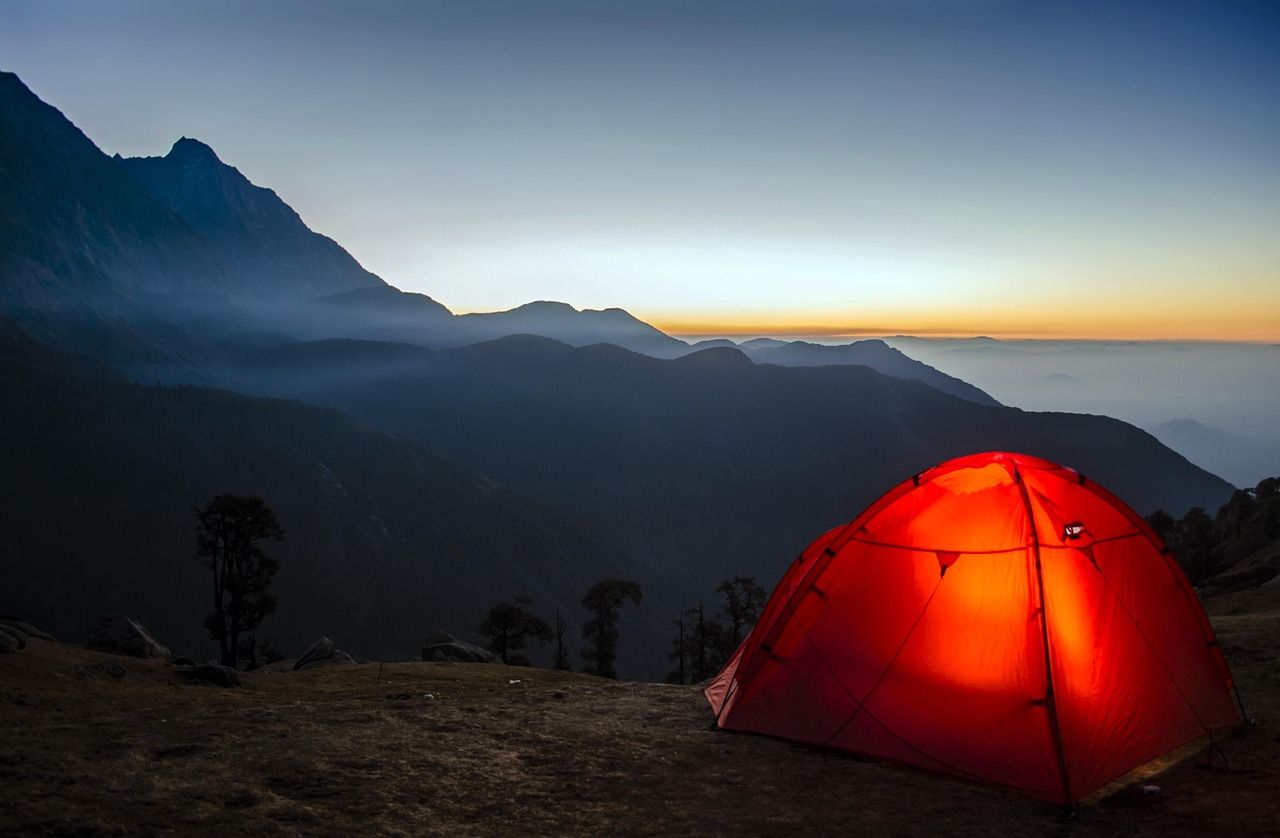
Pitch with the weather in mind. Creamfields tells campers to use all pegs and guy ropes to keep your tent stable in wind and crowded conditions. The same page says to camp only in allocated areas and watch for fire lanes, because campers who pitch inside those spaces will be asked to move. Treat marked lanes and gaps as part of the safety layout, not as spare room.
Finding your own tent after a long day is harder than it sounds, since fields of similar tents blend together. The Club suggests making a camping unit unique by decorating it with flags and pennons. Creamfields gives similar advice about a flag, coloured tape or another distinctive feature, and adds that a tent peg puller helps when taking the tent down, so you do not pull on the guy lines.
Camping is only allowed on designated sites at many festivals. Rock Werchter in Belgium, for example, states in its FAQ that camping is only possible on one of the campsites and wildcamping is prohibited. Whatever the festival, the rule of thumb is to camp where the organisers have said camping is allowed.
- Practise pitching tent at home: Practise pitching tent at home
- Check rules on gas, glass, alcohol: Check rules on gas, glass, alcohol
- Avoid pitching near main paths: Avoid pitching near main paths
- Sleep kit: mat, earplugs, eye mask: Sleep kit: mat, earplugs, eye mask
- Sleeping mat barrier: Sleeping mat barrier
Fire safety and spacing
Tents catch fire quickly and usually have one exit. Mid and West Wales Fire and Rescue Service states that fires in tents spread very quickly, and often have only one entrance, so campers need to be especially vigilant. Its advice is to allow at least 6m between tents and caravans and to keep them away from parked cars to reduce the risk of fire spreading.
The same service says never to use fuel-burning devices inside a tent. Its examples include disposable barbecues, camping stoves, camping heaters, lanterns and charcoal grills. It adds that candles and other naked flames should not be burning in or near a tent, and that torches are much safer. Cooking should be done outside, away from the tent walls and away from long grass or other flammable material.
Know the way out before you need it. The service advises campers to know how to escape by cutting their way out of the tent if there is a fire. Creamfields tells campers to be aware of where welfare points, medical services and exits are located, using its help map.
Sleep, security and staying comfortable
Festival campsites are noisy. The Club says they can get noisy at times and suggests bringing a comfortable camping mat, bedding, earplugs and an eye mask. A sleeping mat creates a barrier between the sleeping bag and the ground, which matters more to comfort than the bag alone. Campers who plan to watch late sets should also think about how loud the music itself is, which is covered in separate guidance on protecting your hearing.
Keep valuables with you. The Club says not to keep any valuables visible and to keep them in a secure bag that is on you at all times. Creamfields adds that campers should bring only essentials and avoid leaving important items unattended in the tent, and it offers lockers for hire. A portable charger, which the Club recommends, saves you from having to leave a phone charging in an empty tent.
A torch or headlamp is essential after dark, according to Creamfields, and so is a plan for meeting friends. The festival notes that campsites can be disorienting, so it suggests setting meeting points in advance. Agree a landmark before you part ways.
Camping neighbours share the same field for the whole weekend. Both the Club and Creamfields advise being respectful, friendly and keeping noise at a reasonable level late at night, which is part of the broader concert etiquette that keeps a festival pleasant for everyone.
Packing down and leaving the site
The end of the weekend is when most waste is created. The Club tells campers to dispose of rubbish at the end of the festival and to follow the recycling rules. Items such as suncream bottles or batteries that cannot be recycled on site can be taken home and recycled responsibly. Creamfields asks campers to take everything home, including tents, chairs and equipment, and to leave the pitch as they found it.
Above all, do not abandon your tent. The Club’s technical manager says to not leave your tent behind, and notes that many businesses accept used kit and either recycle it or pass it on to those in need.
Frequently asked questions
Should I practise setting up my tent before the festival?
Show answer
Yes. The Camping and Caravanning Club advises practising in the garden so you know all the parts and tools are present before you arrive.
Can I cook inside my tent?
Show answer
No. Mid and West Wales Fire and Rescue Service says never to use fuel-burning devices such as stoves, heaters, lanterns or barbecues inside a tent, and to cook outside and away from the tent walls.
How do I stop my tent blending in with others?
Show answer
Add something distinctive such as a flag or coloured tape. Both the Club and Creamfields recommend this so you can find your tent from a distance.
What should I do with my camping gear at the end?
Show answer
Take it all home, including the tent, and dispose of rubbish in the bins and recycling points provided. Creamfields asks campers not to abandon gear.