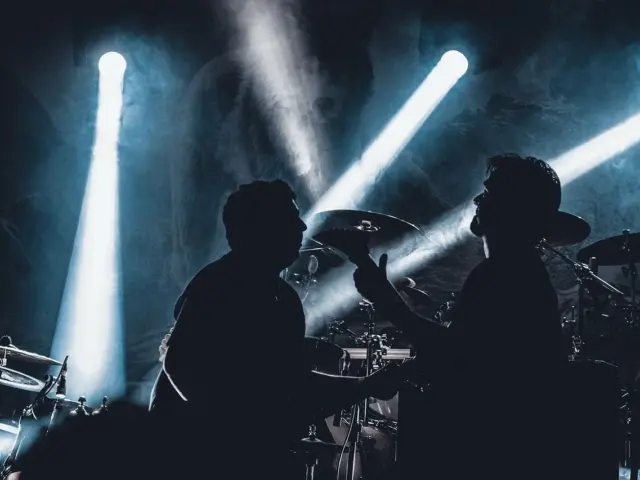
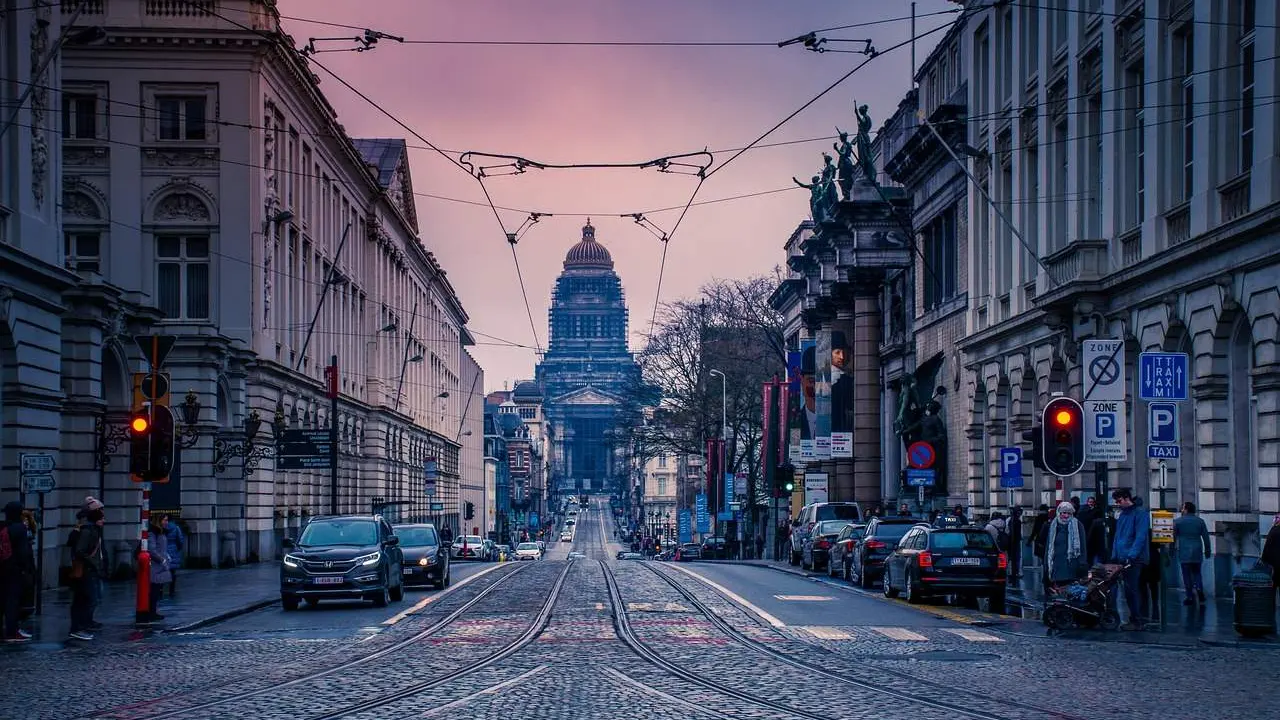
The Ancienne Belgique, known as AB, is a concert hall in the centre of Brussels whose site goes back to the 15th century. Today it is a leading Flemish venue for pop and rock, with a large Main Hall and a smaller Club.
The hall is one of the best-known rooms in the belgian rock scene, and this profile covers its history, its rooms and the practical side of a visit.
From guild hall to music hall
AB’s own history page begins long before the first concert. It states that in the 15th century the site was the home of the retailers, known as the Meerslieden, and that the only tangible reminder is a commemorative plaque bearing the inscription “Meersliedenambacht 1781”.
Entertainment arrived in the Belle Epoque. According to the same page, the Vieux Düsseldorf was all the rage from 1906 to 1913, with a German style interior, seats for 1,500 people, two orchestras and variety and revue artists. The name Ancienne Belgique came with a new owner: in 1931 the building was entrusted to the 22-year-old Georges Mathonet from Liège.
In the post-war years the hall became a stop for the big names of French-language song. AB lists Charles Trenet, Gilbert Bécaud, Charles Aznavour, Georges Brassens, Édith Piaf and Adamo among those who performed there, and says Jacques Brel was a real regular.
The rock years and the move to Flemish hands
Mathonet closed the hall in 1971. The building then found a second life as a concert room for rock and jazz acts. AB’s history says that up until 1979 a diverse range of major artists took the stage, from Leonard Cohen, Herbie Hancock and Frank Zappa to Golden Earring, Lou Reed, Kraftwerk, The Clash and The Stranglers.
Ownership changed in 1977, when the Ministry of Finance purchased the premises. The page says the Flemish side chose AB because of its central location and popular background. The original name was kept, and the abbreviation AB soon came into wide use.
Central Brussels is also a difficult neighbour for loud music. The history page records that after repeated noise complaints the city council withdrew the operating licence in 1980, which led to a major renovation. The reopening on 23 December 1983 was, in the venue’s words, a memorable moment in the history of AB.
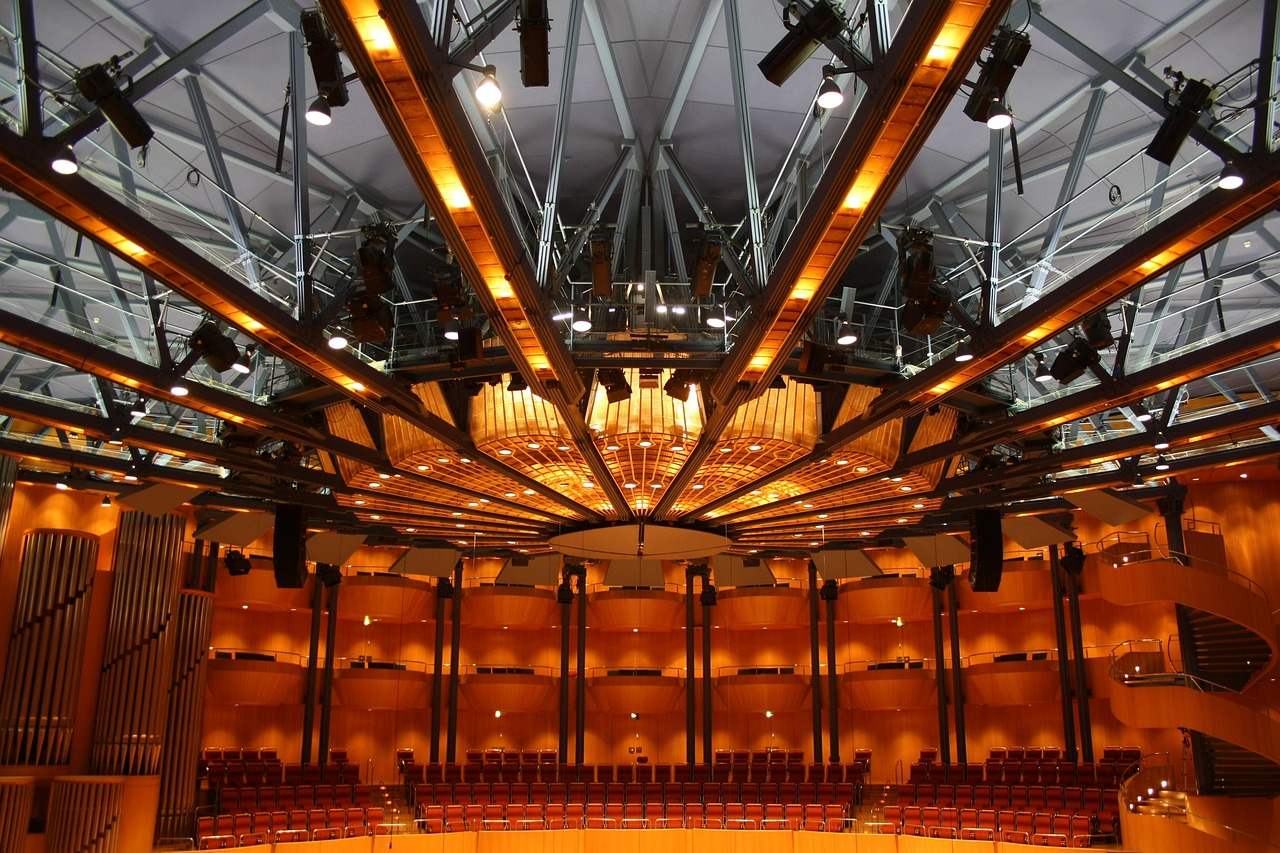
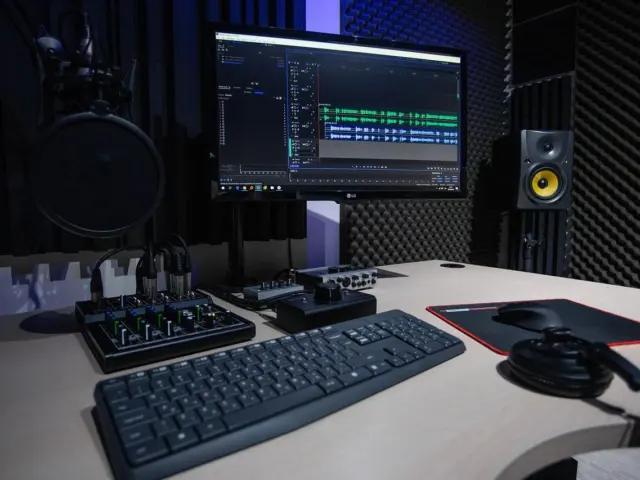
Noise remained an issue for years, and a further building programme followed. When the venue re-opened in 1996, AB says, the building had been enormously expanded and was technologically state-of-the-art. The Main Hall, with its two floors of galleries and red hue, is the only part of the building to have escaped renovation, and AB gained its own recording studio.
- 15th-century origins: 15th century
- Stars of the music hall era: names
- Flemish community chose AB: Flemish
- Main Hall unrenovated: two floors of galleries
- Own recording studio: studio
Status and programming today
AB’s current standing is set out on its history page. Since 2008 the venue counts, as the first pop and rock venue to do so, among the Institutions of the Flemish Community, and since 2017 it has been one of 7 official Flemish Arts Institutions. Arts Institutions, the page explains, are large-scale initiatives with a national and international reputation that have a structural bond with the Flemish Community.
The programme is broader than the Main Hall. AB lists its own indoor festival BRDCST, which began in 2016, and notes the Domino festival that ran from 1996 to 2011 as a showcase for untapped talent. It also says that, since 2015, the Liveurope project has connected 16 European concert venues to promote up-and-coming artists from across the continent.
For a reader interested in Belgian festivals outside Brussels, the venue’s mix of established and new acts has a parallel in Pukkelpop, the Belgian summer festival that describes itself as established in 1985 by the Humanist Youth of Leopoldsburg.
The rooms and their capacities
The venue’s own pages describe two main rooms. The Main Hall changes layout from show to show. The standing layout lists a capacity of 1750 standing plus 250 unassigned seats, and the seated layout lists a capacity of 750 unassigned seats. The event page shows which layout applies to a given night.
The AB Club is smaller. Its page lists a capacity of 280 standing or 100 unassigned seats and describes it as a smaller venue made for big concerts and club nights.
Seats cannot be reserved. AB’s page says that the seats in its rooms are available to everyone, so arriving on time is the way to get one. Reserving is possible only for a medical reason.
Visiting: tickets, timings and travel
AB’s ticket information says that for normal concerts doors usually open at 7:00pm and the concert ends no later than 10:30pm. Festivals and double bills can follow a different schedule, so the event page on the day is the reference. A drink token costs €3.50 according to the same page.
Tickets are sold through the venue’s website and ticket shop. If a concert is sold out, AB offers a waiting list and says that its partnership with TicketSwap lets visitors buy and sell tickets safely. Unless a concert is postponed or cancelled, the venue says it does not give refunds, and it states that it does not check names on tickets.
The hall stands on the Anspachlaan, barely a 10-minute walk from Central Station. The same page explains that the SNCB/NMBS code on a concert ticket can be used to buy a Bravo! Ticket with a 40% discount. A visit pairs well with a trip to botanique brussels, which is a different kind of venue in the same city.
Why the hall matters to visitors
The venue also stresses the social side of the programme. Its history page says that AB, and specifically AB Club, is still a true breeding ground for young artists, and that the hall presents music with concerts in the Main Hall and the Club as well as sessions, listening sessions and lectures in the AB Salon.
The history shows a pattern that explains much of the venue’s character: a central site, a long habit of reinventing itself, and a constant tension with the city around it. For a visitor, that translates into a hall with a clear identity, a well-documented programme and sensible travel information.
Because the line-up changes constantly, the best habit is to read the event page before buying, check the layout, the timing and the room, and then plan the journey home. AB’s own pages cover all of those points.
Frequently asked questions
What is the Ancienne Belgique?
Show answer
It is a concert hall in central Brussels, usually called AB, and a venue that counts among the official Flemish Arts Institutions.
When do concerts at AB usually end?
Show answer
For normal concerts, AB says, doors usually open in the evening and the show finishes by half past ten, which leaves time for public transport. Festival and double-bill nights can differ.
Can I reserve a seat at AB?
Show answer
No. AB’s page says seats are available to everyone, and reserving is only possible for a medical reason.
How big is the AB Club?
Show answer
The venue lists a capacity of 280 standing or 100 unassigned seats for the AB Club.