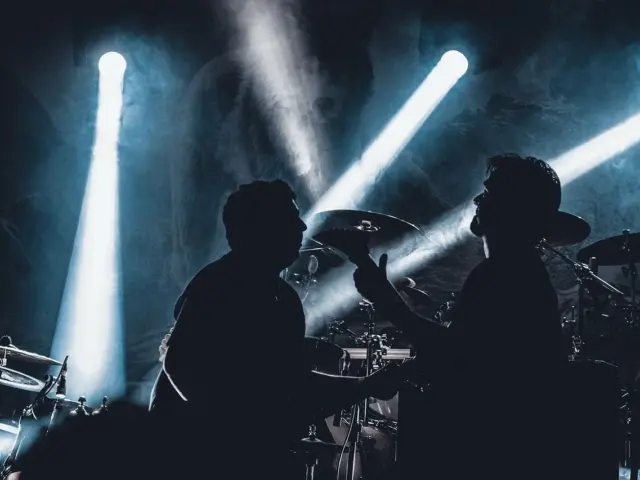
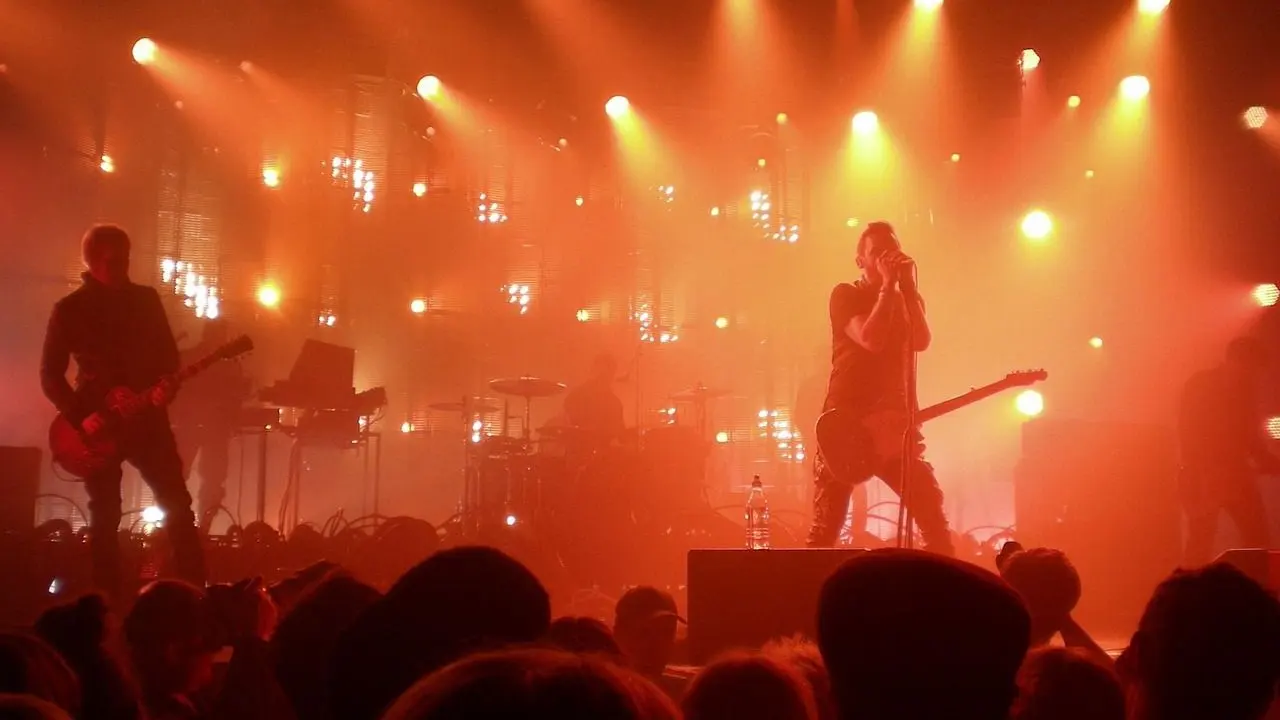
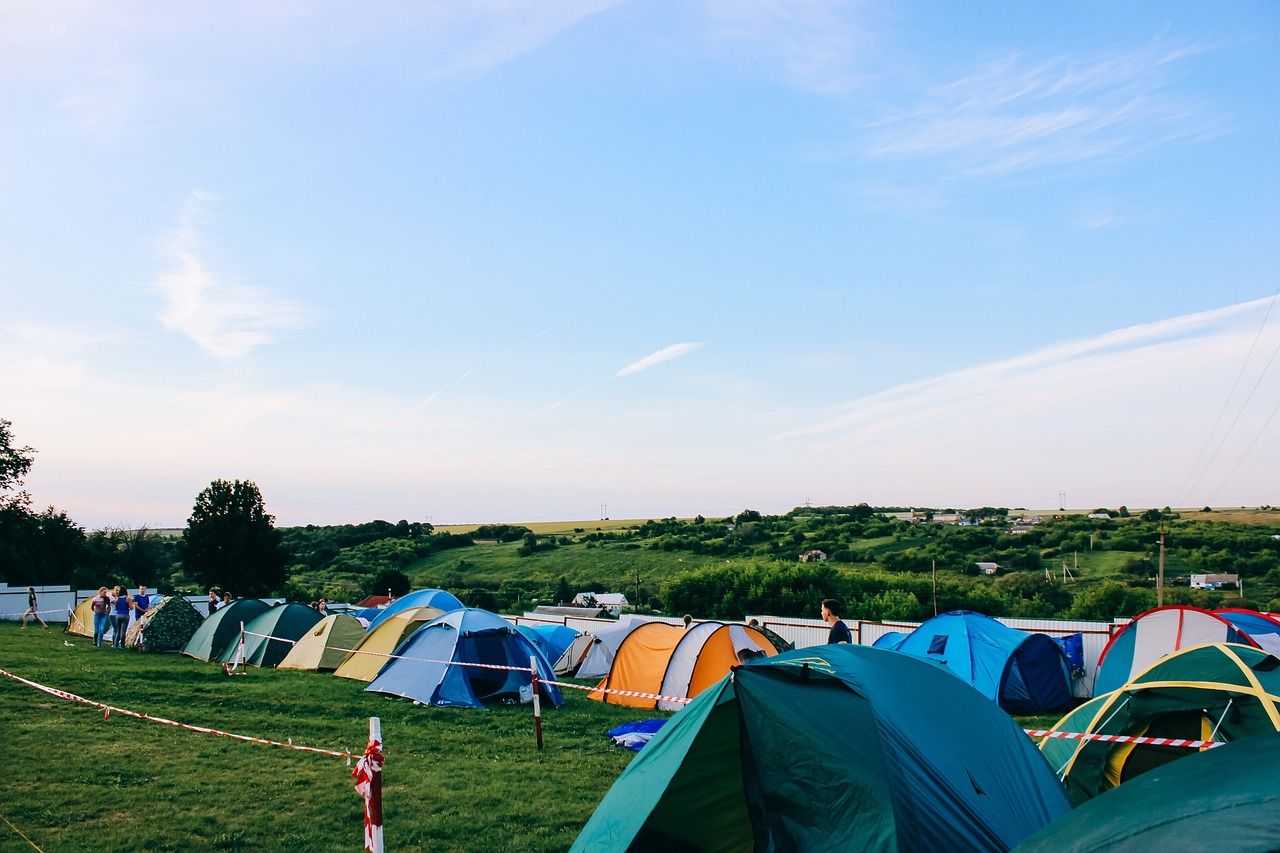
Pukkelpop is a multi-day music festival held every August in Kiewit, a district of Hasselt in Belgian Limburg. It began in 1985 as a one-day event run by a youth group, and it now ranks among the largest festivals in the country.
It sits alongside the wider belgian rock scene as one of the fixed dates in the Flemish summer calendar, and this guide covers its history, its setting and the basics a first-time visitor should know.
Pukkelpop in brief
The name is a Dutch word for a spot on the skin, like an acne spot, as the Brussels Times notes in its account of the festival. The joke fits the festival’s origins: it was created by people in their twenties who wanted a programme that sounded different from what played on mainstream radio.
Pukkelpop is not the only large festival in Flanders, and it is useful to see it in that context. The Brussels Times describes it as the second-largest music festival in Belgium after rock werchter, drawing audiences from across the continent. The two events are often compared, but they differ in setting, history and programming tradition.
The festival’s own website lists the next edition. According to the official Pukkelpop site, the 2027 edition is scheduled for 19-20-21-22 August 2027. The programme is spread over several stages and tents, and the site publishes timetables and practical updates ahead of each edition.
How Pukkelpop began in 1985
According to VRT NWS, the origin of Pukkelpop lies in 1985, the year of the first edition. A group of young people from the Humanistische Jongeren van Leopoldsburg wanted to organise something bigger than their parties and activities. The same VRT report says the organisers looked to festivals such as Torhout-Werchter as a model, while aiming for something more alternative and closer to punk.
The first edition took place on 21 July 1985 with around 2,000 visitors. The line-up consisted of 7 bands, with Anne Clark and the Belgian band Front 242 named as the main headliners. The location was the Excelsior football field in Heppen, and the volunteers had to dig out concrete under the goalposts before the stage could be built, according to the same VRT account.
Front 242 keyboard player Patrick Codenys recalled in the same report that fences placed in front of the stage came down during the set, and that once they were gone the band felt real contact with the audience. Organiser Joël Janssens added that the organisers learned their lessons from the episode, and that no serious incidents occurred.
Organiser Chokri Mahassine told VRT that the team learned by visiting other festivals at home and abroad, and that the Torhout-Werchter organisers shared know-how with them. That link to the older festival shows how closely the Belgian festival scene has always been connected.
From Heppen to Kiewit: growth over the years
Pukkelpop did not stay at the football field. VRT reports that since 1992 the festival has taken place on the meadow next to the Kempische Steenweg in Kiewit, Hasselt, and that it grew quickly in the years that followed. The length of the festival grew as well, as the timeline below shows.
| Year | Milestone |
|---|---|
| 1985 | First edition on 21 July, about 2,000 visitors, 7 bands |
| 1992 | Festival moves to the Kiewit site in Hasselt |
| 1995 | First two-day edition |
| 2001 | Festival runs for 3 days |
| 2011 | Storm on 18 August; festival cancelled |
The dates and figures in the table come from the VRT NWS history of the festival and the Brussels Times report on 2011.
In the same VRT interview, Mahassine said the festival has hosted large bands before they became famous, naming Nirvana and Foo Fighters as examples. That reputation for booking acts early is part of why the festival is associated with alternative and guitar-based music.
The storm of August 2011
The most serious moment in the festival’s history came on the evening of Thursday 18 August 2011, the first evening of that year’s edition. The Brussels Times reports that a thunderstorm broke over the festival ground in Kiewit, and that five people died, including one man who died several days later. Tents were carried off by the wind, electricity pylons and giant screens toppled and the lights went out.
The same report describes how the surge in phone traffic overloaded the network, which made it hard for festivalgoers to reach family and slowed emergency services, which later set up their own communication network. Local people from Genk and Hasselt organised help through social media, offering food, blankets and shelter to people stranded without their belongings.
Organisers first put the festival on hold, and the next day they cancelled Pukkelpop 2011 altogether. In their statement they said the events were very exceptional and could not have been predicted. The episode is still part of how the festival is remembered.
Where Pukkelpop fits in the Belgian festival season
Belgium has a dense summer calendar, and Pukkelpop is its late-summer anchor, held in August. A visitor planning a season can pair it with other events, and anyone who wants rock programming outside festival weeks can look at year-round venues such as ancienne belgique in Brussels.
The festival is run by Pukkelpop – PKP Festival Ltd, whose registered office is in Leopoldsburg, the town where the festival was founded. That detail matters for context: although the festival is now strongly tied to Hasselt, its organisers still come from the original youth-group circle, as the VRT report marking the festival’s 40th anniversary points out.
Practical basics for visitors
Practical information is published on the official site, and it is the safest place to confirm dates, timetables and entry rules before travelling. A few details that the organisers publish are worth knowing in advance.
- Bikes: the official bike parking is on the Kempische Steenweg, near the junction with Tulpinstraat, and bikes parked in the wrong place can be removed and collected afterwards.
- Lost property: the festival runs a lost and found service for items lost on the festival grounds or on the camping site.
- Police help: the local police run a helpdesk on the right side of the main entrance, where incidents on or around the site can be reported.
- Emergencies: for urgent police assistance, the festival site tells visitors to call 101.
These details come from the official Pukkelpop website, which updates them each year. Anyone attending can use that page as the single reference for the current edition rather than relying on older summaries.
Frequently asked questions
When was the first Pukkelpop?
Show answer
The first edition took place on 21 July 1985 in Heppen, with around 2,000 visitors, according to VRT NWS.
Who founded Pukkelpop?
Show answer
A group of young people from the Humanistische Jongeren van Leopoldsburg organised the first edition in 1985, according to VRT NWS.
Where is Pukkelpop held?
Show answer
Since 1992 the festival has been held on the meadow beside the Kempische Steenweg in Kiewit, Hasselt, as reported by VRT NWS.
What happened in 2011?
Show answer
A storm hit the site on the evening of 18 August 2011, five people died and the rest of the festival was cancelled, according to the Brussels Times.
When is the next edition?
Show answer
The official website lists the 2027 edition for 19-20-21-22 August 2027.