
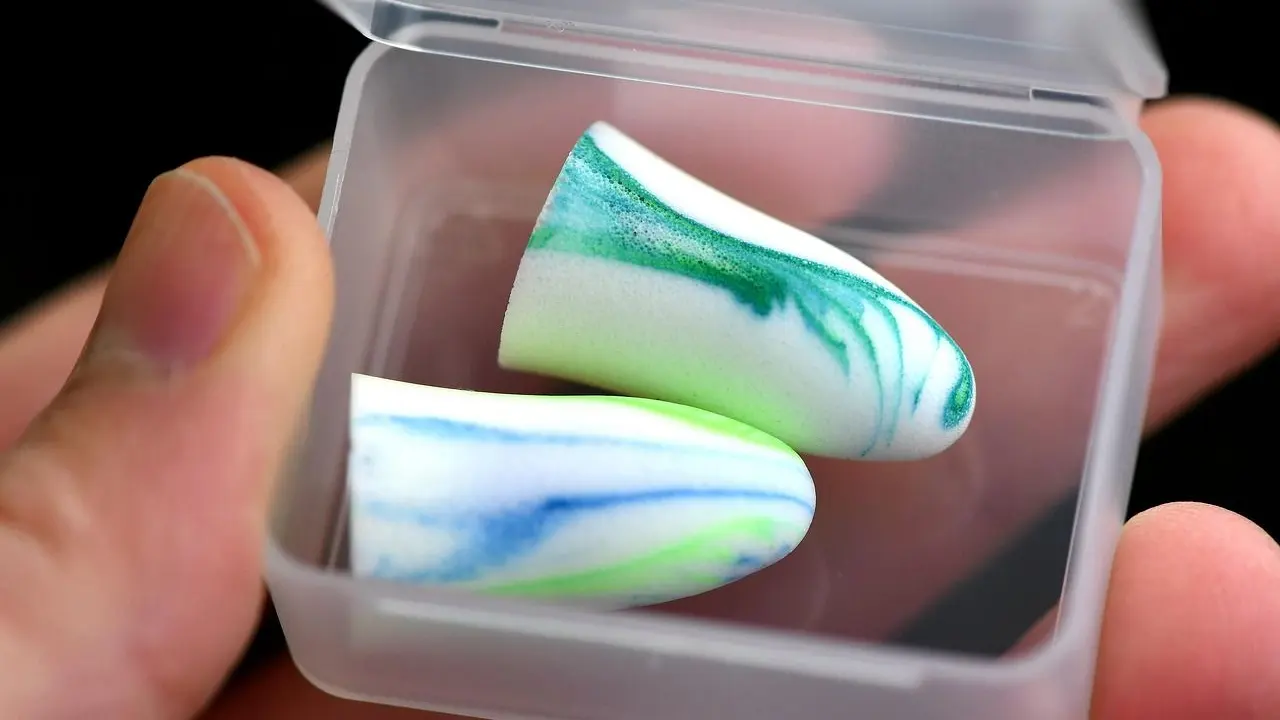
Hearing protection at concerts means lowering the sound that reaches the ear with earplugs, distance and rest breaks, because loud live music can damage hearing for good.
This page is part of the live music guide, which follows a show from ticket to encore.
Why live music can harm hearing
The US National Institute on Deafness and Other Communication Disorders (NIDCD) states that long or repeated exposure to sounds at or above 85 dBA can cause hearing loss. The same page lists music through headphones at maximum volume, sporting events and concerts together at 94-110 dBA. A typical rock show therefore sits well above the level at which damage becomes possible, and a long set or a full festival day adds time to the exposure.
The World Health Organization describes the wider picture: over 1 billion young adults are at risk of permanent, avoidable hearing loss from unsafe listening practices. Noise damage builds up quietly, so an evening that merely felt loud can still leave a mark that only shows years later.
Two things shape the risk: how loud the sound is and how long the ears are exposed to it. Louder sound shortens the time before harm becomes likely, which is why a short club gig and an all-day festival call for different plans.
Warning signs after a loud night
Ringing, buzzing or a muffled feeling in the ears after a show deserves attention. NIDCD notes that loud noise exposure can also cause tinnitus, a ringing, buzzing or roaring in the ears or head. It may fade over time, but it can also continue, sometimes for life. Muffled hearing that clears by the next day can still mean the ears were stressed.
- Ringing or buzzing when leaving the venue.
- Voices sounding dull or distant for hours afterwards.
- Needing the television or phone louder than usual the next day.
- A feeling of fullness in the ears that lingers.
Anyone whose symptoms persist should see a doctor or an audiologist rather than wait and hope. Repeated nights of ringing are a reason to change habits, not a normal cost of loving live music.
Earplugs: the simplest fix
NIDCD advises that people wear earplugs or other protective devices when involved in a loud activity. For music, the most useful kind are earplugs made for concerts, often sold as high-fidelity or musician earplugs. They reduce volume more evenly across low, mid and high pitches than basic foam plugs, so the music keeps its balance instead of sounding as if it comes from under a blanket.
- Foam plugs: cheap and effective at cutting volume, but they dull the sound and need a deep, snug fit to work properly.
- High-fidelity plugs: cost more, can be reused many times and keep vocals and cymbals clear.
- Custom-moulded plugs: made from an impression by an audiologist, and a sensible buy for people who attend many shows or play in a band.
Whichever type is chosen, insert the plugs before the first band starts, not halfway through the set. A fit check helps: voices should sound softer but still natural, and the plug should not feel loose when the jaw moves.
Rinse reusable plugs according to the maker’s instructions and keep them in a small case, since a plug that has been dropped on a festival field picks up grit that can irritate the ear canal. Buying a pair a few days ahead gives time to practise inserting them, which matters more than the price on the box.

Distance, position and breaks
NIDCD offers a simple guide: a good rule of thumb is to avoid noises that are too loud, too close, or last too long. At a gig, that turns into three practical habits.
- Too close: stay away from the front of the speaker stacks. Sound is strongest right beside them, and a spot a little further back often gives a better mix as well.
- Too long: step outside or to a quieter bar area between sets so the ears can rest before the next band.
- Too loud: if the sound feels painful, move away from the speakers or put the plugs in straight away.
Standing near the mixing desk, usually in the middle of the room, tends to give the most balanced sound.
Festival days and long events
Keep plugs in the day bag, plan quiet breaks away from the stages and carry a spare pair, because plugs are easily lost in a crowd. Water, shade and a short sit-down also help the whole body recover between acts.
The festival packing list includes hearing protection with the other essentials, and early planning also keeps tickets safe: see the notes on concert ticket scams before buying from anyone other than an official seller.
Protecting children and younger fans
Young ears face the same risk as adult ears, and children cannot always say when a sound is too much. Child-sized earmuffs are widely sold for loud events and are easier to keep on than small plugs. Seats toward the back or the side, away from the stage speakers, are a safer choice for a family outing, and an early exit costs little compared with long-term hearing loss.
Before the day, it helps to explain why the plugs or earmuffs are worn, and to let a child try them at home first. A child who understands the reason is far more likely to keep them on once the band starts, and a quiet corner for a break lets everyone reset without leaving the event early.
Looking after your ears between shows
Protection is not only for the venue. Headphones used at high volume add to the load, so keeping the volume moderate on the way to and from a show matters. Catching a change early gives far more options than discovering it late.
Habits make the difference over a lifetime of gigs. Carrying plugs on a keyring or in a jacket pocket means they are there when a surprise show comes up, and agreeing with friends to take breaks together removes the awkwardness of leaving mid-set. Treating protection as part of the routine, like checking the start time, keeps the music enjoyable for decades rather than a few seasons.
Frequently asked questions
Do earplugs ruin the concert experience?
Show answer
Good concert earplugs lower the volume while keeping the sound clear, so most people still hear the music well and often find it more comfortable.
Is ringing in the ears after a show normal?
Show answer
It is common, but it is a sign that the ears were stressed. If it lasts more than a day or two, a medical check is sensible.
Should children wear hearing protection at concerts?
Show answer
Yes. Children have the same ears and the same risk, so child-sized earmuffs are a good choice for any loud event.
Can phone apps measure concert volume?
Show answer
Phone apps give a rough idea of loudness but are not precise, so they work best as a prompt to protect the ears rather than as a measurement.