
How concert tours are planned: the artist and manager sketch a route, a booking agent sells the dates, promoters fund the shows and a tour manager keeps everyone moving between towns.
Fans choosing which shows to attend can pair this page with the live music guide, which covers tickets and show-day planning.
The people behind a tour
The industry analysis site Soundcharts describes the live business as a decentralised, network-based system in which artists often work with dozens of local promoters, booking agents and venues in the course of a single tour. Each has a distinct job.
Soundcharts says an artist’s management usually takes part in the initial route planning and helps the artist pick the touring team. The booking agent represents the artist across the live industry, and the agent’s goal is to book the tour and sell the shows to the local talent buyers, finding the venue and negotiating the price.
Audiomack’s guide to the music business offers a useful comparison. If a manager is the chief operating officer of a business focused on a client’s career, it says, a booking agent is that organization’s head of sales. In music, it adds, booking agents only procure live performance opportunities, and an artist will often hire multiple agents to be properly represented in different territories.
Promoters are the side of the business that funds the tour and buys the shows. Soundcharts separates tour promoters, who contract musicians to perform a series of concerts and pay for rehearsals, production and travel, from local promoters, who are connected with local venues and buy gigs from agents or tour promoters to own the ticket sales.
Sketching the route
Routing starts with a general timeframe and a draft route. According to Soundcharts, the artist, manager, agent and tour promoter work out an approximate route, and the initial planning is usually done around priority shows, like major city performances or music festivals, while the rest of the route is defined in broad strokes.
Festivals often anchor the plan. Soundcharts says a major festival performance puts the artist on the map, and that tour routing will often be structured around a couple of big music festivals and then filled up with solo concerts along the way. Its example is Coachella, which takes place over two separate weekends: most of its artists also book side-gigs around the area during the in-between week.
Timing is tied to music releases. Soundcharts notes that, unless the artist is top-tier and established, a tour will always follow a recording release, so the plan is usually expressed as playing a priority city or festival a set number of weeks after the release. That also explains a risk: tour promoters and agents often sign an artist to perform material that is not written yet.
- Management in route planning: Management in route planning
- Agent role: Agent role
- Agent as head of sales: Agent as head of sales
- Agents only procure live performances: Agents only procure live performances
- Multiple agents: Multiple agents
Booking the dates and choosing venues
Once the route is outlined, the agent pitches it. Soundcharts says the agent starts with the priority shows and then fills in the details, so the route gradually takes its final form. The agent negotiates with local promoters to pick a suitable venue in terms of size, style and conditions.
Venue choice is a gamble. Soundcharts quotes Tom Windish, a senior executive of Paradigm Talent Agency, as saying that picking the right venue is perhaps the hardest part of booking a tour, because the material is not out yet and the reception of a release almost a year ahead cannot be predicted. A venue that is too small risks lost sales, while one that is too big risks a half-empty room. Venue format matters to fans too, and the difference between standing and seated shows is explained in general admission vs seated tickets.
Booking happens far ahead. Soundcharts says shows are usually booked from 8 to 24 months in advance, depending on the scope of the venue, and that tour deals are usually signed around a year before the performance.
How the money is split
Contracts reflect who carries risk. In general, the larger the flat fee, the smaller the artist’s share of net profits. Booking agents earn a flat percentage on the revenues on top.
Soundcharts says some of the biggest tours can be put together without an agent, because consolidation of tour and local promoters under entertainment conglomerates means a company such as Live Nation or AEG can both produce tours and own or partner with a vast network of clubs and arenas. It adds that this kind of exclusive promotion remains reserved for top-tier artists, and that most shows are still built by tour promoters, booking agents and local partners working together.
Announcing the tour and selling tickets
When the tour is booked, marketing begins. Soundcharts describes two layers: overall tour marketing by the tour promoter, synchronised with the record release, and regional marketing by local promoters aimed at selling a specific show through channels such as radio, outdoor advertising and locally targeted digital advertising.
The usual sales pattern is announcement, then pre-sale, then general sale. Soundcharts says the announcement comes through label or artist channels and encourages fans to leave contact details for notifications, after which a pre-sale reaches engaged fans first. Pre-sales help the promoter gauge demand and can reduce problems with the secondary ticket market, so most strategies aim to sell as many seats as possible before the general sale.
Logistics and show day
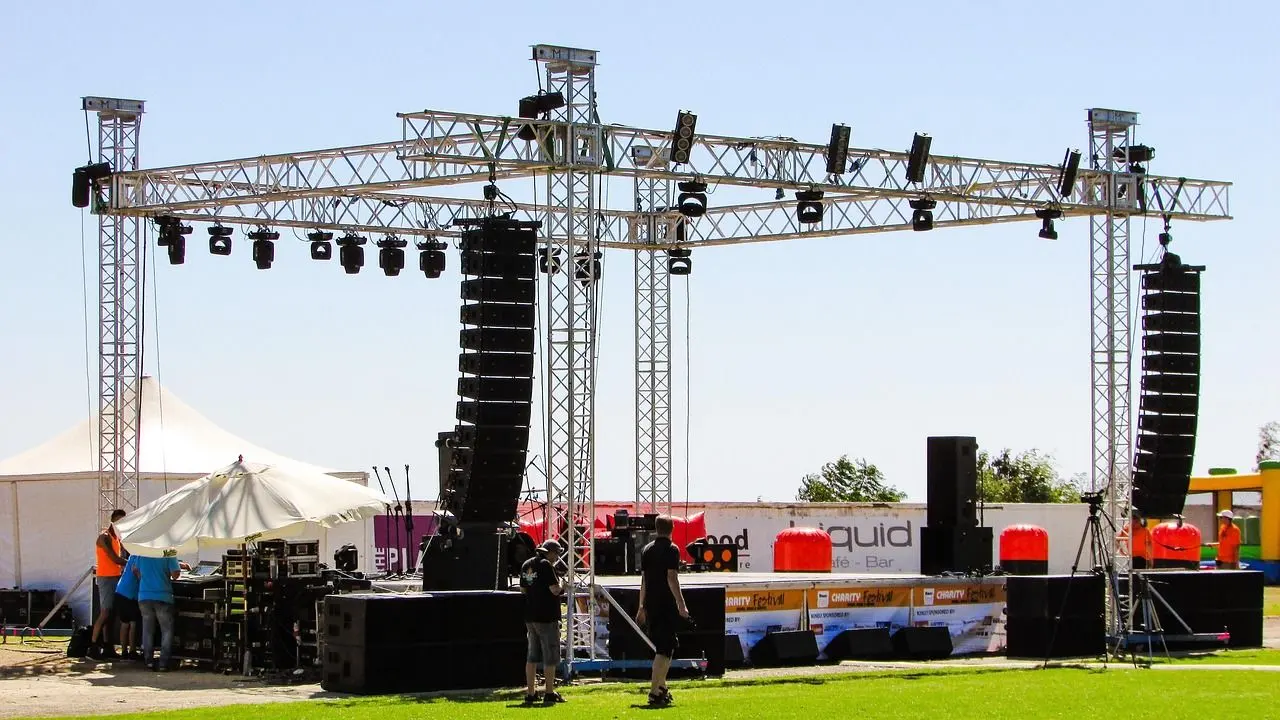
With tickets on sale, the focus turns to logistics. Soundcharts says plane tickets, car rental and backline equipment shipping are just a fraction of what needs to be taken care of before reaching the venue, and that this planning is usually carried out by the tour manager, who stays on the road with the crew. It also notes that tour managers run the technician crew who assemble the stage, lights and sound system.
On the day, setup is a shared job. Someone has to set up the sound, check tickets at the door, take care of security, prepare the guest list and set up the bar, in what Soundcharts calls a group effort of the tour crew and the local promoter’s team. When it works, the audience sees only the show; how to behave once there is covered in concert etiquette.
Frequently asked questions
Who decides where a band plays?
Show answer
The artist, manager, agent and tour promoter draft the route together, according to Soundcharts, with the booking agent then pitching the dates to local promoters and festivals.
Why do tours follow an album release?
Show answer
Soundcharts says that unless the artist is top-tier and established, a tour will always follow a recording release, so the shows can build on the promotion around it.
What does a booking agent do?
Show answer
An agent represents the artist across the live industry and sells shows to local talent buyers. Audiomack compares the role to a head of sales.
Why is there a pre-sale before tickets go on general sale?
Show answer
Soundcharts says pre-sales let promoters estimate how a show will sell and can help reduce the problem of the secondary ticket market.