Concert etiquette comes down to a few shared habits: read the venue rules, give people room to see, keep phones in check and look after those around you. What counts as polite shifts with the venue, the music and the artist.
The live music guide covers planning and tickets; this page covers behaviour once you are inside, from the queue to the encore.
Before the doors open
Good etiquette starts at the entrance. Melodic Magazine advises having your ticket pulled up and ready to go, partly because venue Wi-Fi can be spotty when people start piling in. A Rolling Stone guide gives similar advice to download tickets in advance so you can move through the line without troubleshooting at the door.
Venue rules differ, so read them first. Rolling Stone suggests bringing only the essentials: keys, credit cards or cash, your ID and your phone, which keeps queues shorter for everyone.
A venue’s own house rules are the clearest guide. The Ancienne Belgique in Brussels asks everyone entering to respect its house rules and states that anyone breaking the rules may be denied access without refund of their ticket. Its list of items you may not bring in includes recording material, with the exception of your mobile or smartphone, and drinks or snacks not bought in the venue. Smoking inside is forbidden there too, and anyone who wants a cigarette must go outside.
Holding places in a queue is another grey area. Melodic suggests holding a spot for a friend, but not for a whole group, and asks readers to think about how they would feel if a large party cut in front of them.
Sharing the space in the crowd
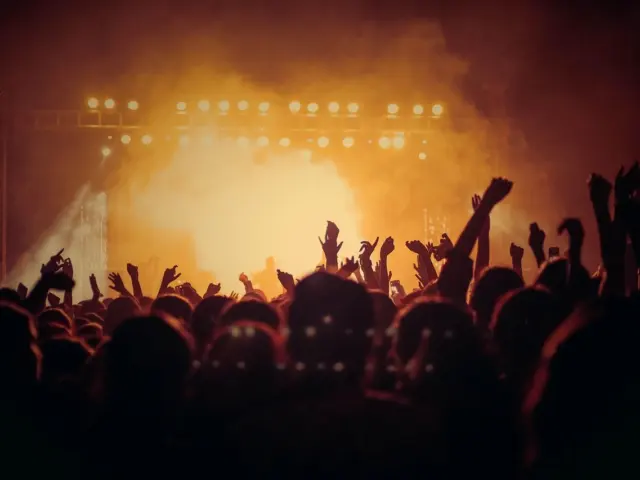
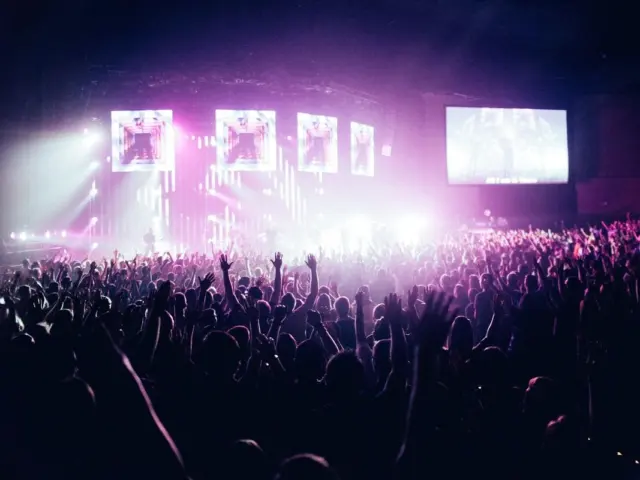
Most complaints at a gig come down to view and space. Melodic says it is fine to record a concert, but not to block somebody’s view with your phone for the whole show. It also asks tall fans to be aware of where they stand, and to check before moving into a space that looks open so they do not block someone behind them.
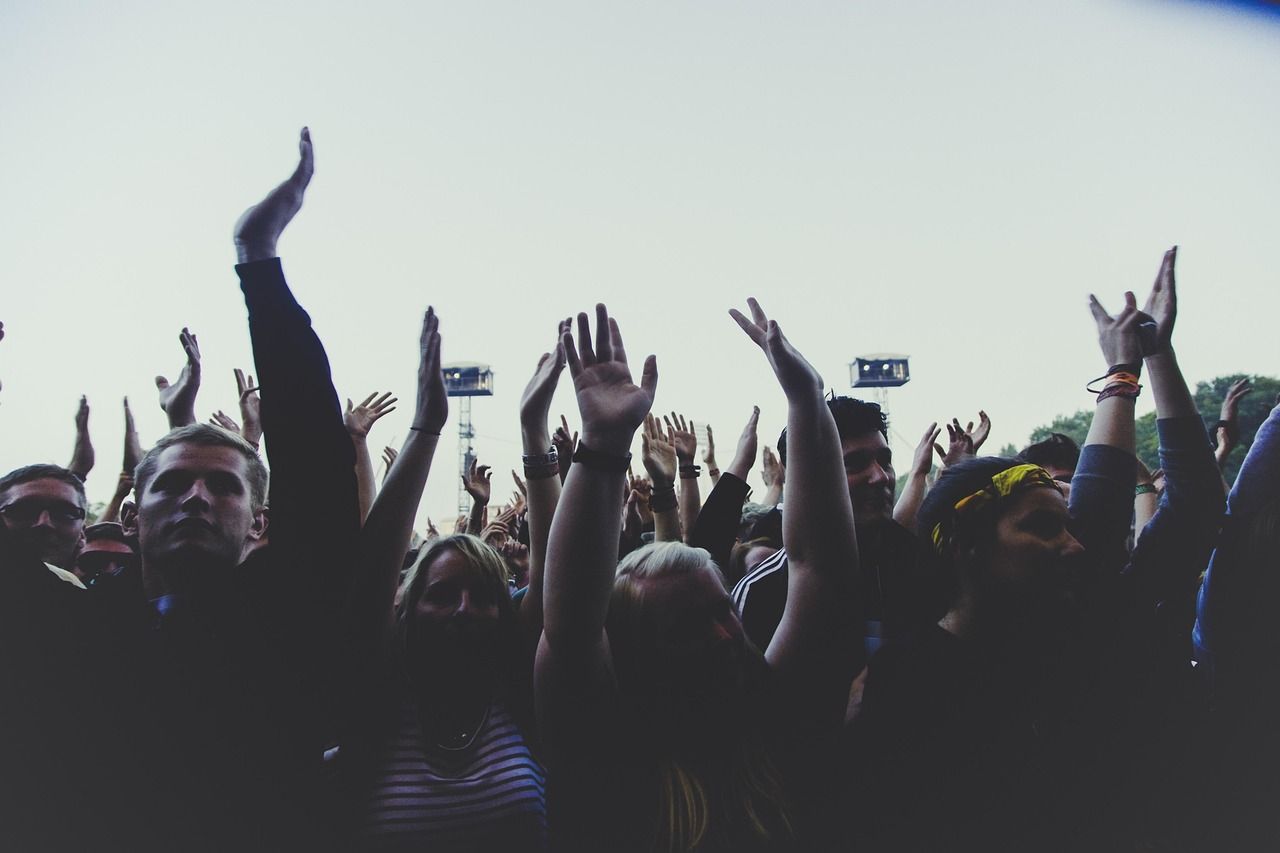
Signs can cause the same problem. Rolling Stone says to keep a sign to yourself and be considerate of everyone around and behind you, to hold it at chest level if possible, and to raise it high only briefly so the people behind do not miss a moment.
Personal space also matters. Rolling Stone points out that seated shows and general admission venues can get close, and says to watch for swinging limbs and hips when dancing so you do not make an unwilling dance partner of the person next to you. Standing room at the barrier is hard won, and Melodic’s rule is that if you leave the barrier to get merchandise, you should not try to elbow your way back to the front. Its advice is to buy merchandise before or after the show instead.
- Have ticket ready: Have ticket ready
- Venue Wi-Fi spotty: Venue Wi-Fi spotty
- Bag policies vary: Bag policies vary
- Hold spot for a friend not ten: Hold spot for a friend not ten
- Think of latecomers: Think of latecomers
Phones, recording and the artist
Phones are the most argued-over topic in modern concert etiquette. Rolling Stone’s guide says you can record a snippet of a favourite song or send a snapshot to a faraway friend, but advises against recording an entire live performance, since you are paying for a live concert rather than a streaming special.
It adds that if an artist requires masks, you should wear one.
The same article asks fans to treat performers with kindness and be mindful of their boundaries. It advises not throwing items on stage, even something nice like flowers, and suggests asking security whether they can place the item on the stage. Rolling Stone adds that unless a performer is specifically asking for audience participation, it is rude to scream over what they are saying to the crowd.
Moshing, crowd surfing and looking out for others
It advises reading the vibe of the show before joining in, and not dragging anyone into a mosh pit who does not want to be there.
Look after the people near you. Melodic says that if somebody wants out of the pit, you should help them over the barricade, and that if somebody does not look well, you should get the attention of security or an emergency medical technician right away. At a festival, it says, you can signal a medical emergency by raising your arms in an X formation, and those around you will do the same so that the person is cared for quickly.
Harassment is a separate matter. Melodic advises alerting security immediately if you witness it, and the Ancienne Belgique states that it does not tolerate racism, sexual intimidation, aggression, discrimination or homophobic behaviour, with stewards, security, volunteers and staff ready to help.
It also advises staying hydrated, especially at an all-day outdoor festival where temperatures can climb. Anyone camping at a festival can find extra advice in these music festival camping tips.
Leaving well and respecting the venue
The night is not over when the music stops. Melodic advises being kind to staff and leaving when you are supposed to leave, noting that a lot of venues have a curfew and that fans should not linger. It is fine to try to meet an artist after the show, as long as you respect the venue and the artist.
Every show date on a tour is the product of planning and booking decisions, explained in how concert tours are planned.
Rolling Stone’s closing reminder fits all of this: there are hundreds if not thousands of other fans in the crowd, and it is not a private show, so be considerate. It also suggests being a good neighbour, such as offering to take a photo for the group next to you.
Frequently asked questions
Is it acceptable to film a concert on my phone?
Show answer
Usually, for short clips. Melodic says it is fine to record a concert as long as you do not block someone’s view for the whole show, and Rolling Stone advises against recording the entire performance. Follow any rule posted by the venue or artist.
Can I hold a place for my friends in the queue?
Show answer
Melodic suggests holding a spot for a friend, but not for a whole group, since it is unfair to people who arrived earlier.
Are mosh pits and crowd surfing always allowed?
Show answer
No. Melodic says they are acceptable only if the venue allows them, and some organisers prohibit intense participation.
What should I do if someone near me is unwell?
Show answer
Get the attention of security or medical staff right away, according to Melodic, and help anyone who wants out of the crowd.